

Feeling breathless on your runs? You’re not alone. This guide, drawing from expert insights, delves into common breathing challenges for runners and offers actionable strategies to improve your lung power and enhance your performance. This practical advice aims to provide clear, trustworthy information for all runners seeking to optimize their breathing.
Are Your Lungs Up to the Challenge? The BOLT Test
Before diving into solutions, it’s incredibly helpful to understand your current lung efficiency. The Body Oxygen Level Test (BOLT) is a straightforward method to assess if breathlessness is due to lung function or other training factors:
- Take a normal breath in and out, then repeat.
- After comfortably exhaling, gently pinch your nose and time how long it takes until you feel the very first urge to breathe.
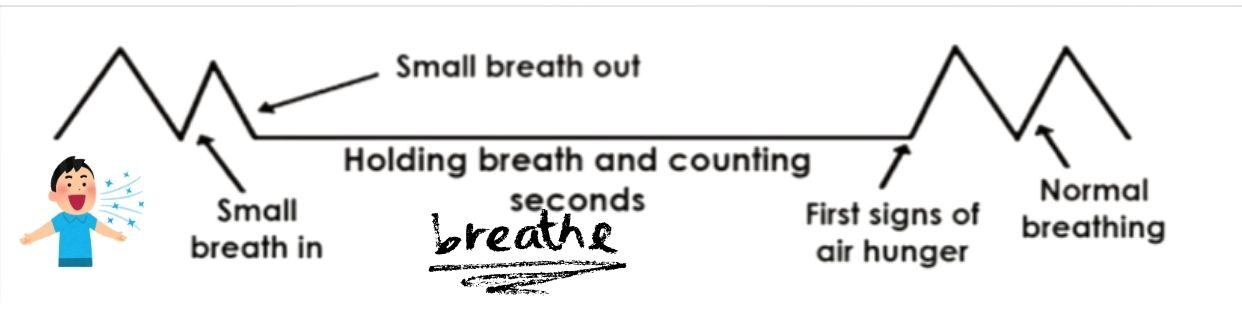
Here’s what your BOLT score can reveal:
- Above 40 seconds: This is an excellent level of lung function, typically observed in serious athletes.
- 30-40 seconds: This range is common and healthy for a recreational runner.
- 20-30 seconds: While there’s room for improvement, this is an acceptable starting point for beginners.
- Below 20 seconds: If your score falls here, you likely experience excessive breathlessness during activity and stand to benefit significantly from targeted breathing tips and exercises.
Why Am I So Breathless? Understanding Common Running Hurdles
Even with good underlying lung function, breathlessness can persist. Here are some of the most common reasons runners encounter this challenge:
- Pacing Problems: A very frequent issue, especially for new runners (and sometimes even experienced ones), is starting a run too quickly. This immediate spike in effort rapidly increases your oxygen demand.
- Shallow Breathing Habits: Many individuals tend to breathe primarily with the upper chest, which prevents them from utilizing the full capacity of their lungs. Your lungs are shaped like teardrops, with the largest concentration of air sacs at the bottom. Therefore, deep, diaphragmatic breathing—expanding your stomach and lower rib cage—is paramount for efficient oxygen delivery throughout your body. Additionally, making a conscious effort to inhale through your nose and exhale through your mouth can help direct oxygen more effectively to the lower lobes of your lungs.
- Respiratory Muscle Fatigue: Just like any other muscle group in your body, your respiratory muscles (primarily the diaphragm and the muscles around your rib cage) can experience fatigue. When these essential breathing muscles become tired, your breaths naturally become shallower and less effective, leading to reduced oxygen intake, particularly after intense exercise. New runners should recognize that building strength and endurance in these specific muscles takes time and consistent effort.
- Unfamiliarity with Exercise: If running is a relatively new activity for you, your body will inherently work harder as it adapts to the new movement patterns and physical demands. As a runner myself, I’ve observed that when I’ve taken up a new sport like swimming, initial struggles with breath management quickly improved within a couple of weeks as I became more relaxed and comfortable with the motion. This personal experience underscores the body’s natural adaptation process.
Practical Breathing Techniques to Elevate Your Runs
Ready to transform your breathing and make your runs feel more effortless? Incorporate these proven exercises into your training routine:
- Deep Belly Breathing: This fundamental technique is the cornerstone of truly efficient breathing.
- Practice: Begin by sitting comfortably. As you inhale, consciously focus on expanding your stomach and the lower part of your rib cage, rather than simply lifting your chest. Visualize your diaphragm pulling air deep into your lungs.
- Transition: Once you feel comfortable and natural with this technique while seated, gradually practice it while walking, and then seamlessly integrate it into your runs.
- The Pump Method (for Diaphragm Strengthening): This exercise is specifically designed to build the strength of your diaphragm.
- Perform a relaxed, passive exhale.
- Immediately follow this with a strong, sharp, and short inhale, ensuring that the movement originates distinctly from your stomach area.
- Repeat this sequence 10-15 times, twice daily. Consistency is key for muscle development.
- Resistance Devices (Advanced Option): For those engaged in more serious or competitive training, specialized devices are available that offer resistance during both inhalation and exhalation. While these can be beneficial, it’s highly recommended that you first master the fundamental belly breathing and pump methods to establish a solid foundation.
Patience and Persistence Lead to Progress
It’s important to remember that developing stronger respiratory muscles and allowing your body to fully adapt to the demands of running is a gradual process. The insights from the experts suggest that regardless of your initial BOLT score, consistently applying these breathing tips and techniques can significantly enhance your breathing and overall lung capacity. Dedicate a few minutes each day to these practices, and you’ll soon experience more comfortable, efficient, and enjoyable runs. Your commitment to improving your breathing is a commitment to unlocking your full running potential.
This guide is for educational and informational purposes only and is not a substitute for professional medical or health advice, examination, diagnosis, or treatment. Always seek the advice of a qualified healthcare professional, such as your physician or a physical therapist, before starting any new fitness program or making changes to your current routine. If you experience any sharp or persistent pain, stop exercising immediately and consult a medical professional. The author and publisher are not responsible for any injuries or health issues that may result from following the advice provided in this guide.