
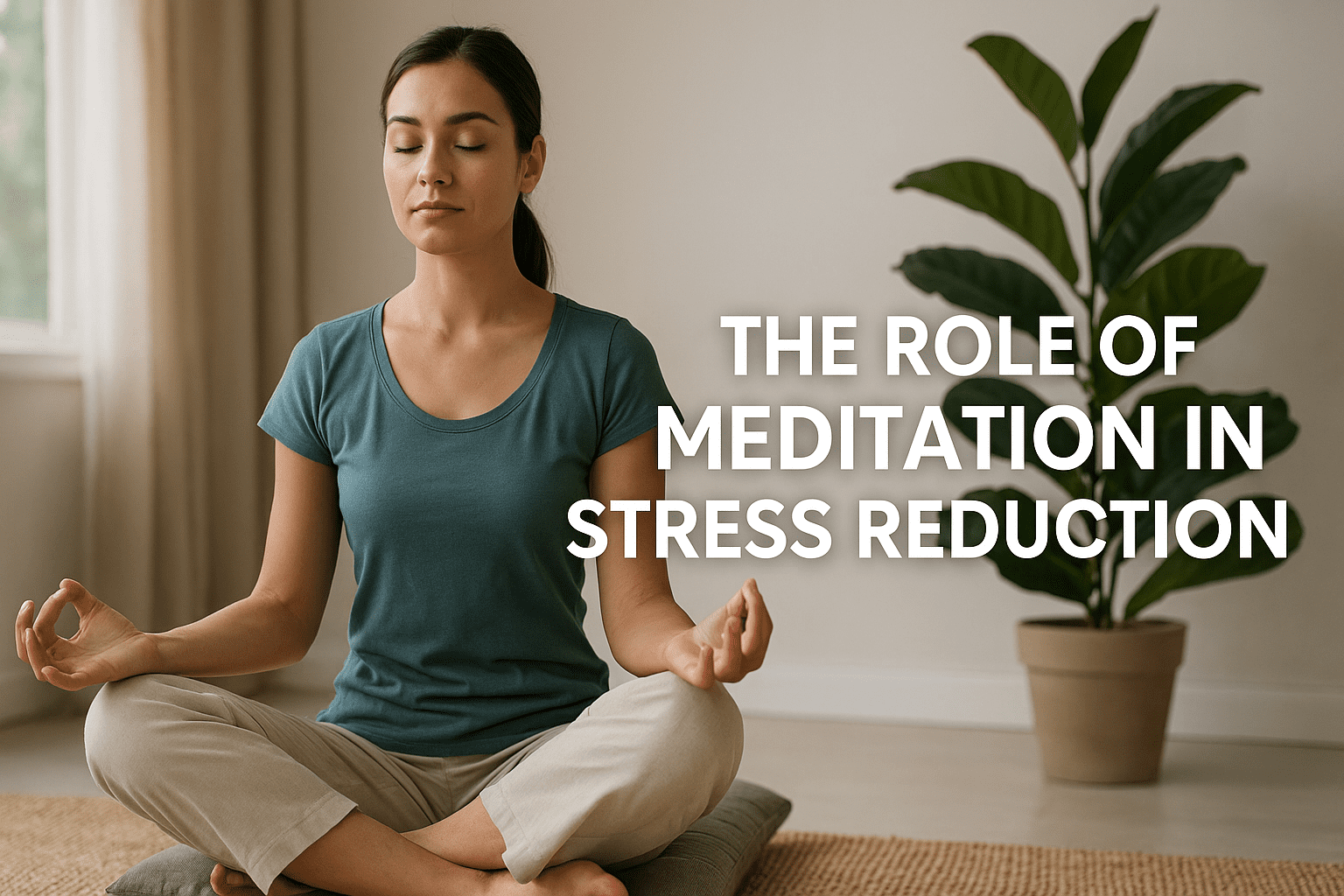
Have you ever felt like your mind just won’t slow down—like you’re constantly running on autopilot, juggling a hundred thoughts at once? In today’s fast-paced world, stress has become almost like a second nature to most of us. Whether it’s work pressure, personal issues, or just the never-ending to-do list, we’re all carrying a heavy mental load. But what if there was a simple, natural way to ease that tension?
That’s where meditation comes in. It’s not just about sitting quietly with your eyes closed—it’s a powerful tool that can help calm your mind, reduce stress, and improve your overall well-being. In this article, we’ll explore what meditation really is, the benefits it brings, and how it can play a vital role in reducing stress. If you’ve been looking for a way to feel a little more at peace, you’re in the right place.
What is Meditation?
Meditation is a process through which an individual skillfully directs his or her attention towards the object or is in a position to realize clear comprehension. It includes mindfulness, concentration, and visualization, among other skills that assist in getting focused and fully involved in real-time experiences.
The essence of meditation is watching your thoughts and emotions without making any value judgment, which can lead to gaining a better understanding of what is going on in one’s head. This practice has been employed by man for thousands of years regardless of their cultures and religious beliefs including Hindus, Buddhists and the Taoists.
Benefits of Meditation
- Stress Reduction: Daily meditation usually helps in the reduction of stress, as it slows down the heart rate and lowers hormone stress such as cortisol.
- Improved Focus and Concentration: Many people meditate to train the mind to maintain attention and improve their cognitive abilities to improve their focus in their daily work.
- Emotional Wellbeing: It aids with the control of emotions, users dealing with such disorders as anxiety and depression benefit because it encourages the thought process that is positive and embraces oneself.
- Enhanced Self-Awareness: Meditation may help individuals gain better insights into their thoughts and on the pattern of action that they undertake and therefore improve decision-making.
6 Ways How Meditation Reduces Stress
Stress is something most of us experience daily due to the growing demands in our ever-busy and complex societies. Fortunately, because of meditation, there is a way to control and overcome stress and lead a healthier and more balanced life. Here’s how meditation can help lower stress and improve overall well-being:
1. Promotes Deep Relaxation
Meditation helps put the body in a state of rest that is most effective in fighting off the effects of stress hormones. Meditation facilitates shifting from a fighting or fleeing response and prepares the body for a stressful encounter (Sympathetic Nervous system) to a state of relaxation (Parasympathetic Nervous system) thus leading to the establishment of calmness as marked by reduced heart rate, lowered blood pressure and relaxed muscles.
2. Lowers Stress Hormones
Journal articles reveal that many forms of meditation will reduce the secretion of stress hormones, especially cortisol. High cortisol is related to such conditions as anxiety, depression, or cardiovascular health. Thus, cortisol is minimized by meditation, and all the adverse impacts are eliminated, allowing an individual to be emotionally balanced and calm.
3. Improves Emotional Regulation
Meditation helps people to become more aware of feelings and emotions and helps resolve and cope with stress in healthier manners. Calmness and control over feelings of anxiety, frustration or overwhelm becomes natural the more we engage in the practice of emotional intellect. It also provides the capacity to handle stress with a reasonable outlook, which is the summary of emotional health improvement.
4. Improves attention span
Daily meditation routines make the mind clear to focus and increase the level of concentration. That just clears the mind and helps approach tasks without being overwhelmed by them. One physical benefit of clear and focused thinking is increased efficiency which, eradicates strain as we are capable of handling tasks within our docket effectively.
5. Builds Resilience
Meditation helps us to become more psychologically protected by enhancing positive attitudes and regulating feelings. As time goes on, we learn to reinforce really unhealthy ways of dealing with stress and replace them with something more healthy. This resilience does not only serve as a way of coping with stress now, but it also will shape how we will cope with new stress in the future.
6. Promote a healthy lifestyle.
Meditation also makes us incline to be more healthy and this forces us to practice healthy lifestyles. As we grow aware of signs of stress, we might begin practising better diets, exercising and sleeping which are determinants for a decrease of stress.
Starting up with Meditation
- Start Small: Start with 5-10 minutes of meditation daily and then extend the period as you get comfortable with meditation.
- Create a Calm Environment: Choose a location where there are no disturbances or anything that may take your attention most likely you will be seated.
- Focus on Your Breath: Breath is also a helpful signal to return your focus back on track when it gets distracted during the tchnique.
- Be Patient: Do not forget that meditation is a skill that requires time and do not pressure yourself while in the process.
- Explore Different Techniques: Meditation comes in many forms so experimenting is key to discovering the most ideal type for you.
Conclusion
Meditation isn’t some magical solution that fixes everything overnight—but it’s definitely a step in the right direction. With just a few minutes a day, you can start noticing a difference in how you handle stress, emotions, and even your thoughts. Life is already hectic, so why not give yourself a little peace in the chaos? Start small, be patient, and stay consistent. Your mind deserves that care. And who knows? Over time, this simple habit might just change the way you live your life—calmer, clearer, and more in control. So take a deep breath, close your eyes, and let the stress melt away. You’ve got this.
FAQ: Meditation for Stress Reduction
Q: How long should I meditate to reduce stress?
A: Even 5–10 minutes of daily meditation can make a noticeable difference in managing stress.
Q: What type of meditation is best for beginners?
A: Mindfulness meditation and focused breathing are great starting points for beginners.
Q: Can meditation replace therapy or medication?
A: Meditation is a supportive practice, not a replacement. It can complement professional mental health care.
This guide is for educational and informational purposes only and is not a substitute for professional medical or health advice, examination, diagnosis, or treatment. Always seek the advice of a qualified healthcare professional, such as your physician or a physical therapist, before starting any new fitness program or making changes to your current routine. If you experience any sharp or persistent pain, stop exercising immediately and consult a medical professional. The author and publisher are not responsible for any injuries or health issues that may result from following the advice provided in this guide.