
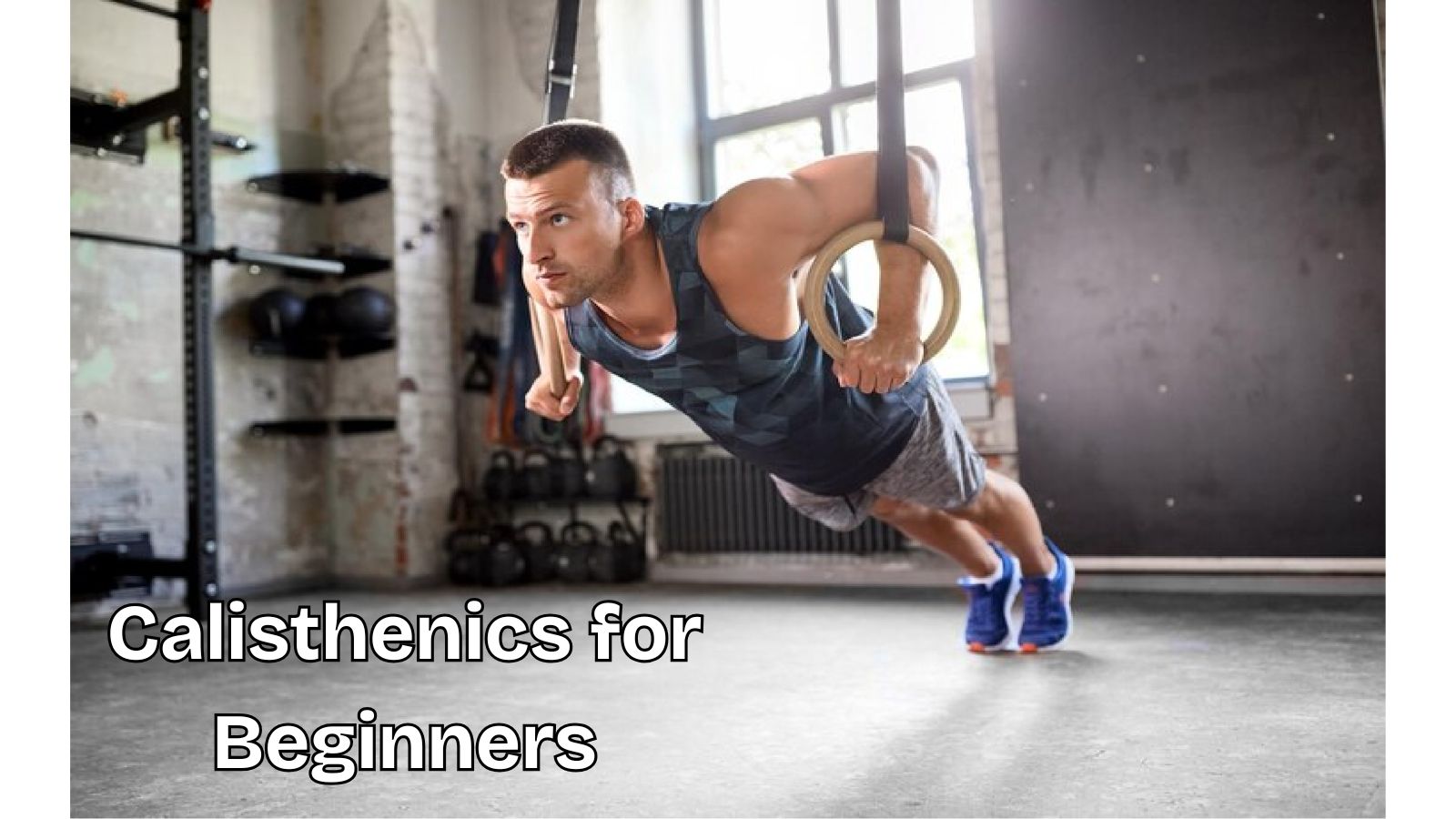
Calisthenics for Beginners: Start Your Journey Today
How do you start calisthenics? You all must be wondering; this is why you are here. There are many ways that you can build a great physique for yourself. But it needs lots of resilience, patience, and determination. if you believe you’ve got that in you, then calisthenics might be the right path for you. With only your body’s weight, it is possible to incorporate muscle mass and increase overall stamina. In this article, you will find all the information about calisthenics for beginners and steps on how to start exercising without any fear. We will discuss the basic exercise that novice powerlifters can do, good lifting techniques, and how a novice powerlifter can progress safely.
Brief Overview (What Is Calisthenics)
By Calisthenics, it simply means doing gymnastic exercises that use body weight as a form of resistance, flexibility, and endurance. It is one of the least equipment-dependent exercises you can do. You just need your body and a space. It can be practiced in the home or at a neighborhood park or even in a gymnasium.
That is why I like calisthenics so much; it is a rather flexible type of exercise. You can start with pushups, squats, lunges and finally progress up to pullups, muscle-ups to handstands. Quite frankly, it really stretches a person to the limit and helps to get your body to become much more resilient in the long term without actually needing weight to pull. Moreover, it will increase coordination and stability of body movements in them.
Even power is not a decisive criterion here; it is mostly about control and strategy. However, the beauty of calisthenics is that each and every exercise is quite variable and you can very easily adjust it to your current fitness level. Whether a person is physically fit or not, one can mention some aims that can be aimed at if one just begins training, or is already an amateur athlete.
How You Can Start (No equipment, can be done anywhere).
When I first started calisthenics, I was confused about how I was gonna start and which resource I should choose. I used to rely too much on the internet searching for how to start calisthenics, Calisthenics near me, or calisthenics workout routine. Then little by little i got to know more about calisthenics, I started going to the nearest park, just doing normal exercises which I saw on YouTube. Then I met a guy, he had a good physique, he was a master in this, and he taught me how to do it with proper form. He guided me through and through. When you are just starting, you need to strengthen your biceps, shoulders, and core. You must focus on that first. Also, you should make your calisthenics workout Routine, including your diet, strength training, and lifting.
Calisthenics Exercises for Beginners
Here are 3 beginner-friendly calisthenics Fitness programs I started with, and honestly, they’re a great way to build a solid foundation:
1. Push-Ups
This is one of the first exercises I tried. It works your chest, shoulders, and arms—all using just your body weight. At first, I started with knee push-ups because the regular ones were tough. The key is to keep your back straight and lower yourself slowly. Don’t rush it.
2. Bodyweight Squats
These are super helpful for building leg strength. I stand with my feet shoulder-width apart, lower myself like I’m sitting back into a chair, then come back up. Just make sure your heels stay on the ground and your chest stays up. Simple but super effective.
3. Plank
This one’s all about the core. I get into a forearm plank position and just hold it for as long as I can. It looks easy, but it really challenges your stability and strengthens your abs.
Common Mistakes to Avoid
Here are some common mistakes I made (and learned from) when starting calisthenics—so you can avoid them:
Skipping Warm-Up
Trust me, jumping straight into a workout without warming up is a bad idea. I used to skip it, and my body paid the price. A quick 5–10 minute warm-up gets your blood flowing and helps prevent injuries.
Poor Form Over Reps
In the beginning, I was more focused on how many reps I could do rather than how well I was doing them. Big mistake. It’s way better to do fewer reps with proper form than to rush through and risk hurting yourself.
Doing Too Much, Too Soon
I was so excited to get results that I pushed myself too hard early on. That just led to soreness and burnout. Start slow, give your body time to adapt, and build up gradually.
Ignoring Rest and Recovery
I used to think I had to work out every day to see gains. But rest days are just as important as workout days. Your muscles grow and recover when you’re resting, not while you’re training.
Not Following a Plan
At first, I was doing random exercises with no structure. Once I started following a routine, everything changed. Progress became more consistent, and I stayed more motivated.
Avoiding these mistakes can save you a lot of time and frustration. Calisthenics is a journey—take it one step at a time, and enjoy the process.
Wrap Up
If you’ve made it this far, then you’re more than ready to start your calisthenics journey. I know how confusing it can be at the beginning—I was the same, constantly searching for “calisthenics near me” or the perfect calisthenics workout routine. But once I committed to a simple calisthenics fitness program and started using whatever I had access to, like basic calisthenics bars at the park, things slowly fell into place. The key is to start small, stay consistent, and trust the process. You don’t need fancy equipment or a gym membership—just your body, some space, and the will to improve. Build a routine that works for you, keep showing up, and remember, every rep brings you closer to a stronger version of yourself.
This guide is for educational and informational purposes only and is not a substitute for professional medical or health advice, examination, diagnosis, or treatment. Always seek the advice of a qualified healthcare professional, such as your physician or a physical therapist, before starting any new fitness program or making changes to your current routine. If you experience any sharp or persistent pain, stop exercising immediately and consult a medical professional. The author and publisher are not responsible for any injuries or health issues that may result from following the advice provided in this guide.

The Ultimate Full Body Bodyweight Workout for Strength
When I first started my fitness journey, I didn’t have access to a gym, fancy equipment, or even a set of dumbbells. But I did have one powerful tool — my own body. If you’re looking for a good overall body workout without expensive memberships or machines, a full body bodyweight workout is the perfect place to begin
This guide will show you how to build an effective full body workout plan using just bodyweight exercises. Whether you’re just starting out or getting back into shape, this can be the best complete body workout for building strength, endurance, and confidence.
Why Choose Bodyweight Workouts
Bodyweight exercises are highly effective for building strength, improving flexibility, and boosting endurance. They also enhance balance and coordination. The best part of a complete body workout for women or men using just your body is the freedom it offers—no gym membership, no expensive workout machine for whole body sessions—just you and your determination.
The Ultimate Full-Body Bodyweight Workout Plan
Here is a full routine that targets every major muscle group, ideal for both beginners and experienced individuals.
1. Warm-Up (5 Minutes)
Before starting your workout, it’s important to warm up your body to increase blood flow and reduce the risk of injury.
- Jumping jacks – 1 minute
- Arm circles – 30 seconds in each direction
- High knees – 1 minute
- Bodyweight squats – 1 minute
- Light stretching – 1 minute
2. The Main Circuit: Best Complete Body Workout Without Equipment
Perform 3 rounds of the following exercises. Rest for 60 seconds between each round.
1. Push-Ups (Upper Body Strength)
Works: Chest, shoulders, triceps
A foundational move for any upper body workout routine. Beginners can start with knee push-ups to build strength gradually.
2. Bodyweight Squats (Lower Body Power)
Works: Glutes, quads, hamstrings
A classic lower-body movement that builds strength and stability.
3. Plank to Downward Dog (Core and Flexibility)
Works: Core, shoulders, hamstrings
Combines core control and flexibility in a single movement.
4. Triceps Dips Using a Chair (Upper Body Focus)
Works: Triceps, shoulders
This exercise is an excellent substitute for a dumbbell upper body workout when weights aren’t available.
5. Mountain Climbers (Cardio and Core)
Works: Core, legs, shoulders
An effective cardio move that also targets your core and legs. It serves as a great alternative to a full body workout dumbbell routine.
6. Glute Bridges (Posterior Chain Strength)
Works: Glutes, lower back
Ideal for activating and strengthening the lower body, especially the glutes and back.
7. Superman Holds (Back and Core)
Works: Lower back, glutes, shoulders
This movement strengthens muscles often ignored by machines like the Nustep exercise machines total body workout.
Optional: Add Dumbbells for Extra Resistance
If you have dumbbells available, try adding a dumbbell full body workout to your weekly routine. These exercises help take your strength to the next level:
- Dumbbell deadlifts
- Dumbbell squats with overhead press
- Bent-over dumbbell rows
- Dumbbell floor press
These moves bring the benefits of a body pump workout into your home and offer a more intense challenge when you’re ready for it.
Cool Down and Stretch (5 Minutes)
Cooling down after your workout helps reduce muscle soreness and speeds up recovery. Try the following:
- Seated forward fold
- Child’s pose
- Shoulder stretch
- Cat-cow stretch
- Deep breathing for one minute
Tips for Staying Consistent
- Treat your workouts like scheduled appointments
- Start with three sessions per week and build up gradually
- Track your workouts and progress
- Drink plenty of water and eat a nutritious diet
- Focus on consistency, not perfection
My Personal Experience
When I started doing bodyweight training, I didn’t expect it to have such a big impact. Within a few weeks, I noticed improvements in my posture, energy levels, and mental clarity. I realized I didn’t need a workout machine for whole body results—I just needed commitment and consistency. Now, I mix full body bodyweight workouts with dumbbell upper body routines and the occasional gym visit.
Final Thoughts
A full body bodyweight workout is one of the most accessible and effective ways to build strength, tone your body, and improve overall fitness. Whether your goal is to gain strength, lose fat, or simply feel better, this plan can get you there—without the need for any equipment.
Start with small steps, stay committed, and track your progress. Your body is your best tool—and it’s ready whenever you are.
This guide is for educational and informational purposes only and is not a substitute for professional medical or health advice, examination, diagnosis, or treatment. Always seek the advice of a qualified healthcare professional, such as your physician or a physical therapist, before starting any new fitness program or making changes to your current routine. If you experience any sharp or persistent pain, stop exercising immediately and consult a medical professional. The author and publisher are not responsible for any injuries or health issues that may result from following the advice provided in this guide.