
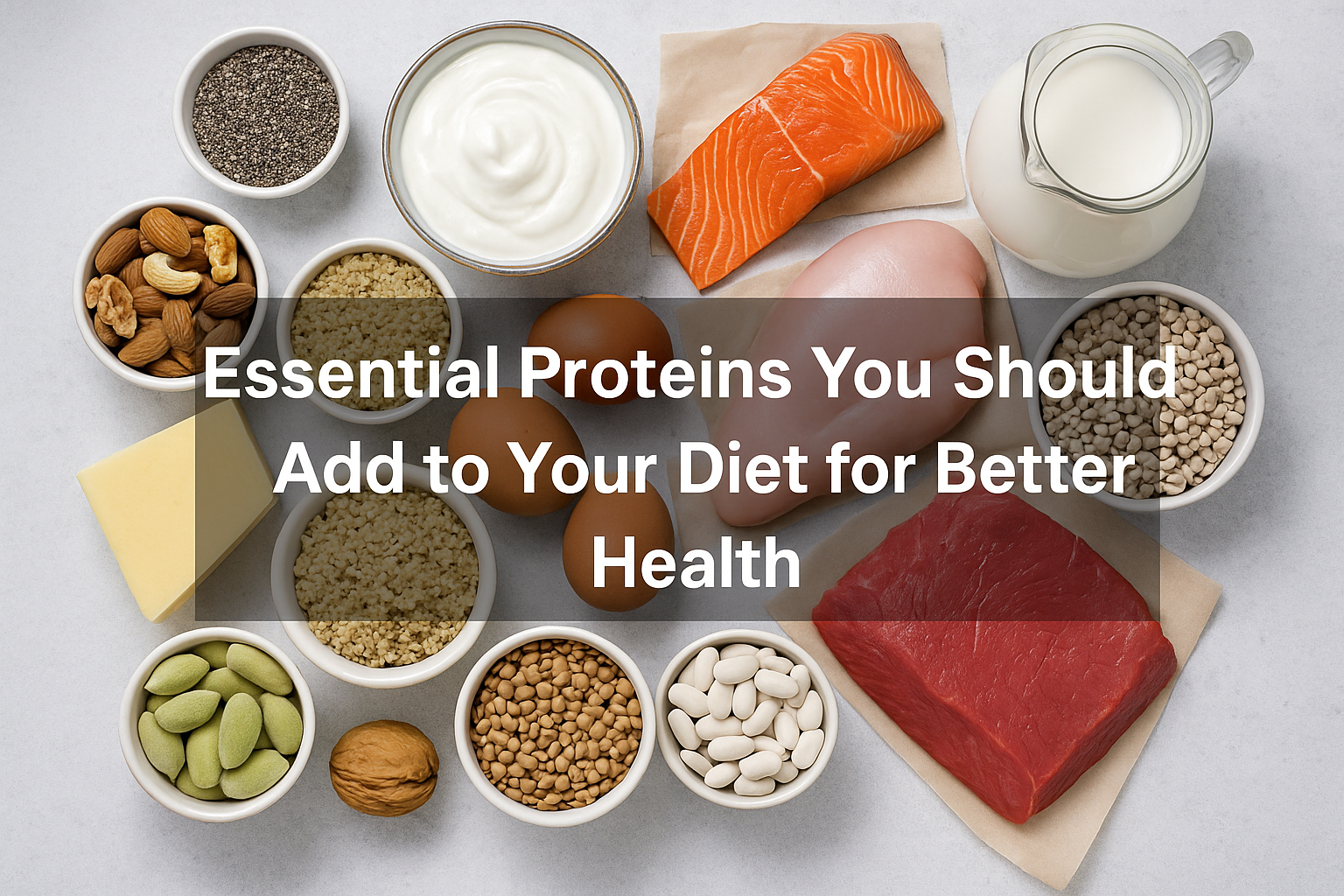
Essential Proteins You Should Add to Your Diet for Better Health
As we age, many of us begin to feel more tired or sluggish even after minimal physical activity. One major reason behind this fatigue is insufficient protein intake. Protein is vital for enhancing overall body health. From repairing damaged tissues to promoting satiety, protein does far more than just support muscle growth.
In this article, you’ll learn about foods rich in protein, how they support your fitness goals, and why including a variety of proteins in your diet is essential. Whether you prefer meat-based or vegetarian options, there’s something beneficial for everyone.
Why Protein is Essential for Your Body: Key Benefits
1. Builds and Maintains Body Structures
Protein serves as the building block of body tissues such as muscles, bones, cartilage, and skin. Your hair and nails are almost entirely made of protein. It becomes even more crucial after physical activities, helping with tissue repair and preventing muscle breakdown.
2. Aids in Tissue Repair and Healing
Whether your physical activity is intense or mild, protein is constantly needed for repairing damaged tissues and replacing old cells. After workouts, it helps repair muscle micro-tears and promotes faster healing from injuries.
3. Transports Oxygen
Protein plays a vital role in oxygen transport. Hemoglobin, a protein in red blood cells, binds to oxygen and distributes it throughout the body. Without adequate protein, organs and muscles can suffer from oxygen deficiency, leading to fatigue and poor health.
4. Supports Digestion and Cell Health
About half the protein you consume is used to make enzymes that aid digestion and metabolism. It also supports hormone production and cellular repair, all of which are essential for maintaining metabolic efficiency.
5. Regulates Hormones and Promotes Growth
Protein is crucial for hormonal balance, especially during periods like puberty or menstruation. It supports metabolism, immunity, and overall body regulation.
Essential Proteins You Should Add to Your Diet
1. Lean Meats: Poultry, Beef, and Pork
These meats are high in protein and other nutrients like iron and zinc. Opt for lean cuts to avoid unhealthy fats and promote heart health.
2. Fish: Salmon, Tuna, and Mackerel
Fish provide high-quality protein along with omega-3 fatty acids, which reduce inflammation and improve brain and heart health. Choose low-mercury options like wild-caught salmon and trout.
3. Dairy: Milk, Cheese, and Yogurt
Dairy products are excellent sources of protein and calcium. Greek yogurt, in particular, offers a higher protein content and beneficial probiotics. Opt for low-fat or skim varieties to manage fat intake.
4. Legumes: Beans, Peas, and Lentils
Plant-based proteins like kidney beans, black beans, chickpeas, and lentils are high in protein and fiber. They support digestion, heart health, and energy levels.
5. Nuts and Seeds: Almonds, Walnuts, Chia Seeds
These offer protein, healthy fats, and antioxidants. They help reduce hunger and provide sustained energy. Limit portion sizes to manage fat intake.
6. Eggs: A Complete Protein Source
Eggs contain all nine essential amino acids and offer vitamins, minerals, and healthy fats. They’re versatile and easy to prepare.
7. Quinoa: A Complete Plant Protein
Quinoa is one of the few plant foods that offer all essential amino acids. It also provides fiber and key minerals, making it a great alternative to rice.
8. Soy Products: Tofu and Tempeh
Ideal for vegetarians and vegans, tofu and tempeh are rich in protein and versatile in cooking. Tofu, for instance, delivers about 7 grams of protein per quarter cup.
How Much Protein Should You Eat Daily?
Protein needs vary depending on goals, activity level, and body weight:
1. For Muscle Building
Consume 69–102 grams of protein per day. Experienced lifters may need slightly less over time.
2. For Weight Loss
Aim for 68–82 grams daily, or around 0.7–1 gram per pound of body weight. This helps preserve muscle while shedding fat.
3. For General Health
The RDA for protein is 0.8 grams per kilogram of body weight. Active individuals or older adults may require more to prevent muscle loss.
Conclusion
Protein is indispensable for a healthy body and mind. Whether your goals include muscle gain, weight loss, or just maintaining your energy levels, incorporating a variety of protein sources—both animal and plant-based—can make a significant difference. Balance is key: choose high-quality proteins, monitor your intake, and enjoy the long-term health benefits.
This guide is for educational and informational purposes only and is not a substitute for professional medical or health advice, examination, diagnosis, or treatment. Always seek the advice of a qualified healthcare professional, such as your physician or a physical therapist, before starting any new fitness program or making changes to your current routine. If you experience any sharp or persistent pain, stop exercising immediately and consult a medical professional. The author and publisher are not responsible for any injuries or health issues that may result from following the advice provided in this guide.
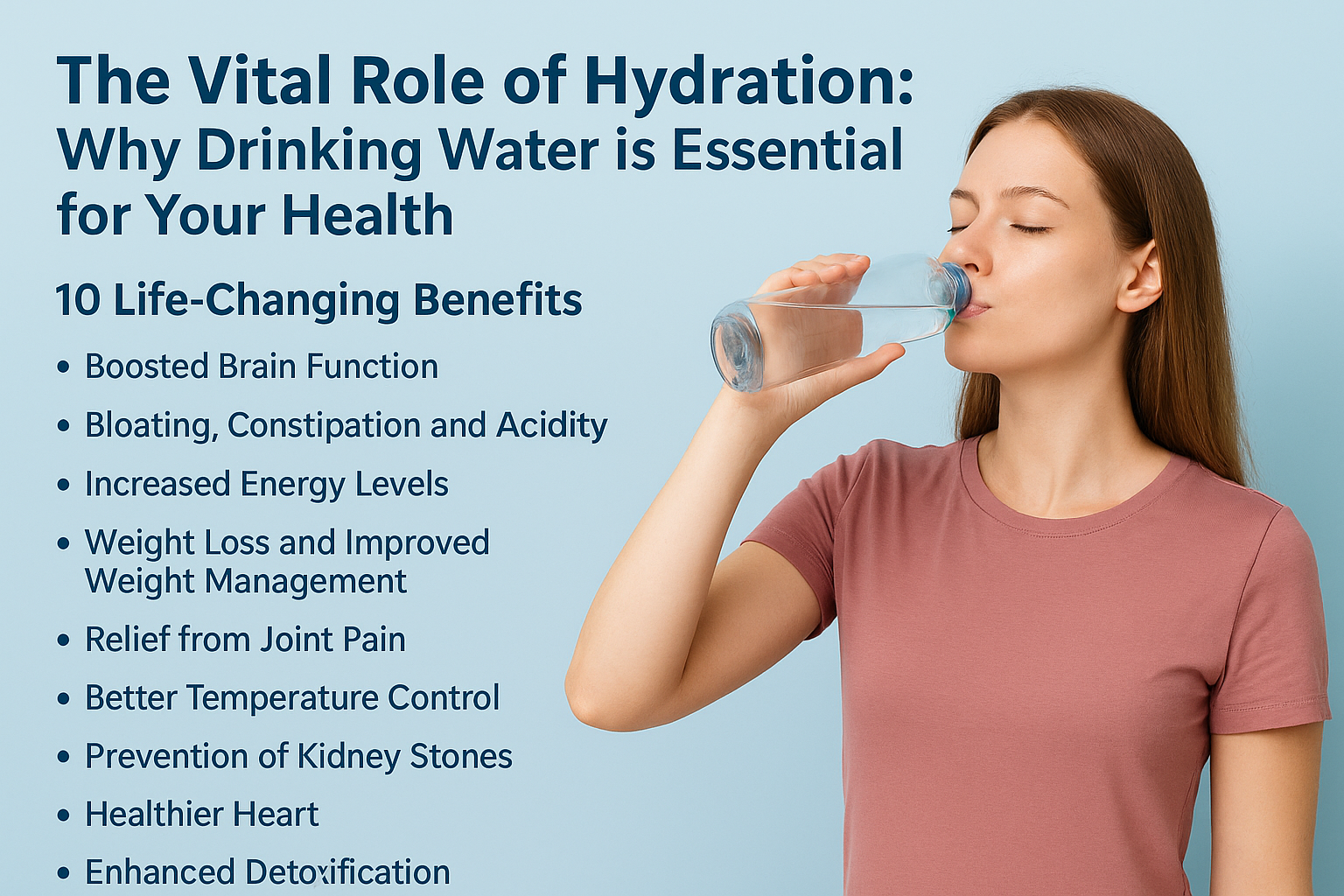
The Vital Role of Hydration: 10 Incredible Benefits of Drinking Water for Your Health
Have you ever wondered how much water your body truly needs each day? While it’s easy to overlook, drinking enough water plays a vital role in maintaining your overall well-being. The benefits of drinking water are far-reaching from improving digestion and energy levels to supporting brain function and skin health. This guide dives into why water is essential, how it enhances your performance and health, and how to stay properly hydrated throughout the day.
Why Is It Important to Drink Water?
Water makes up about 60% of the human body and is crucial for nearly every bodily function. Without adequate hydration, your energy dips, concentration suffers, and even your skin and joints feel the impact. Proper hydration:
- Regulates body temperature
- Lubricates joints
- Flushes out toxins
- Aids digestion
- Maintains skin health
In short, water is the foundation of good health. Prioritizing hydration is one of the simplest and most powerful ways to support your body.
10 Life-Changing Benefits of Drinking Water
1. Boosted Brain Function
Even mild dehydration (just 1–2%) can impair mood, memory, and concentration. Staying hydrated enhances mental clarity, focus, and cognitive performance. It also helps reduce feelings of anxiety and mental fatigue.
2. Improved Digestion and Less Bloating
Water aids in breaking down food and moving it smoothly through your digestive system. It helps prevent constipation, gas, bloating, and acidity. Drinking mineral water with magnesium or sodium can further ease digestive issues.
3. Increased Energy Levels
Dehydration slows blood circulation, reducing oxygen flow to the brain and muscles—leading to fatigue. Hydration boosts circulation and helps you feel more energized throughout the day.
4. Supports Weight Loss and Management
Drinking water before meals can curb appetite, reduce calorie intake, and enhance fat metabolism. Replacing sugary drinks with water is one of the easiest ways to cut down on excess calories.
5. Relief from Joint Pain
Water cushions and lubricates joints through synovial fluid. Hydrated cartilage remains soft and smooth, reducing stiffness and discomfort—especially helpful for those with arthritis.
6. Better Temperature Regulation
Sweating is your body’s natural cooling mechanism. When dehydrated, your ability to sweat and regulate temperature is impaired, increasing the risk of heat exhaustion.
7. Prevention of Kidney Stones and UTIs
Water dilutes minerals in the urinary tract, preventing the formation of kidney stones. It also flushes out bacteria, reducing the risk of urinary tract infections (UTIs).
8. A Healthier Heart
Dehydration causes blood to thicken, making it harder for the heart to pump. Water helps maintain healthy blood viscosity, electrolyte balance, and blood pressure—vital for heart health.
9. Natural Detoxification
Water is essential for the body’s detox processes—sweating, urination, and bowel movements. Adequate hydration supports liver and kidney function and keeps your system clean.
10. Fewer Headaches
Headaches and migraines are often linked to dehydration. Staying hydrated helps prevent and relieve this pain by maintaining healthy fluid levels in the brain and tissues.
How to Stay Hydrated: 5 Practical Tips
1. Follow the 8×8 RuleAim to drink eight 8-ounce glasses (about 2 liters) of water per day. Alternatively, drink about one-third of your body weight in ounces daily.
2. Don’t Wait Until You’re ThirstyThirst is a sign that you’re already mildly dehydrated. Sip water consistently throughout the day, not just when you feel thirsty.
3. Choose Water Over Sugary DrinksOpt for water or non-caloric beverages like herbal teas and sparkling water. These are healthier choices that help keep you hydrated without excess sugar.
4. Carry a Reusable Water BottleKeep a water bottle with you at work, the gym, or while commuting. This encourages regular sipping and makes hydration more convenient.
5. Hydrate More in Heat or During ExerciseWhen it’s hot or you’re physically active, you lose more fluids through sweat. Drink extra water during and after exercise or any activity in warm weather.
Signs of Severe Dehydration: When to Seek Help
While mild dehydration is common, severe cases need medical attention. Watch for symptoms like:
- Dizziness or fainting
- Dry mouth or skin
- Rapid heartbeat or breathing
- Dark urine
- Difficulty urinating
Final Thoughts: Appreciate Your Body—Drink More Water
The benefits of drinking water go far beyond quenching thirst. From improving digestion to supporting brain and heart health, hydration touches every part of your wellness. The next time you feel sluggish, hungry, or stressed, grab a glass of water. Your body will thank you.
So, let’s raise a glass—to better energy, a clearer mind, and a healthier you. Stay hydrated, stay healthy!
This guide is for educational and informational purposes only and is not a substitute for professional medical or health advice, examination, diagnosis, or treatment. Always seek the advice of a qualified healthcare professional, such as your physician or a physical therapist, before starting any new fitness program or making changes to your current routine. If you experience any sharp or persistent pain, stop exercising immediately and consult a medical professional. The author and publisher are not responsible for any injuries or health issues that may result from following the advice provided in this guide.

The Vegan Lifestyle: Benefits and Challenges
Have you ever thought of a life that is free of animal products? Perhaps, you have encountered an exuberant follower of the ‘plant-based’ diet or have heard about veganism saving the planet, but have never really figured out what it is all about. Veganism isn’t only about avoiding animal products; it is a complete change of societal perception on food, diets, and the environment. A vegan diet means avoiding animal products, including meat, dairy, and eggs, and studies show that the number of people cutting out these products from their diets is rapidly rising for different reasons such as; Health, Ethical and Environmental. However, as with any vast decision transition in one’s life, it has its advantages and disadvantages.
In this article, you will learn about different advantages relating to the vegan diet such as bowel regulation, weight regulation and energy increase.
Understanding Veganism
Veganism is a way of life in which people abstain themselves from consuming animal products. It means They will not eat meat, dairy, eggs, or any other products that come from animals such as honey. Vegans also generally don’t use products derived from animals for other purposes such as clothes like leather, fur and some perfumes that are tested on animals.
There are several reasons why people become vegan like some do not want to harm animals or environmental conservation and health benefits. The vegan diet generally consists of fruits, vegetables, grains, legumes, nuts, and seeds and if properly followed can prove healthy.
Benefits of a Vegan Lifestyle
Many individuals still do not know that a vegan diet has numerous positive effects on the human body and promotes general well-being. Here are some of the key advantages:
- Reduced Risk of Chronic Diseases: Another advantage of a vegan diet is it can lead to reducing the likelihood of developing chronic diseases. Saying no to animal products also helps reduce your risk of obesity, heart disease, and some types of cancer. A preventive impact exists due to focusing on foods with plant origin rich in nutrients and antioxidants.
- Weight Loss and Maintenance: Most people discover that adopting veganism makes it easier for them to lose some weight or maintain a proper weight. This is because most plant foods have comparatively few calories more than free fluids, and have high fibre and water content. It means you can eat those foods and maintain a feeling of fullness without taking too many calories that could cause weight gain.
- Improved Digestion: Eating fruits, vegetables whole grains and legumes will pass a lot of fibre needed in the diet for a healthy digestive system. Therefore, consuming high-fibre products prevents constipation, and helps in controlling bowel movements while encouraging the development of good bacteria in the stomach. Due to this, the authenticity of the digestive process is attained and thus Results in increased level of comfort during digestion.
- Enhanced Skin and Hair Health: The advantages of going vegan are not limited to the weight but are further inclusive of skin and hair as well. Such diets are usually full of vitamins and minerals that help the skin to be nourished and eased and achieve a fair complexion.
- Better Vision and Immunity: By avoiding meat and other animal by-products, it is easy for a vegan to get his or her recommended daily intake of vitamin C plus many other nutrients from the many fruits and vegetables consumed under this dietary plan. This is not only healthy for your eyes and eyesight but also strengthens your immune system and arms your body to better fight diseases. Also, vitamin C is very important in maintaining skin texture due to its role in the promotion of collagen hence skin tightness and elastininess.
Environmental Benefits
Switching to a vegan diet provides many advantages for the environment making the earth a far better place to live in. Here are some key advantages:
- Reducing Greenhouse Gas Emissions: Switching from a meat-based diet to a vegan diet can reduce the emissions of carbon dioxide by 60 per cent. This decline is attributed for the most part to the fact that plant-based food takes considerably less energy and resources to produce than animal products. This simply means that through embracing the vegan way of life you will be part of the solution to climate change and not part of the problem.
- Conserving Land: The production of meat and dairy is highly inefficient, it consumes a tremendous amount of space, for which it can lead to deforestation and desertification. And you can cut diet-related land by up to 76% if you decide to follow a vegan diet. It also saves many natural reserves, supports the diversity of species, and maintains and prevents further soil erosion.
- Conserving Water: A vegan diet will consume up to 13 times less water than a meat diet. For instance, it would take for example 13, 000 – 100, 000 litres of water to produce a kilo of beef while it would only take 1, 000- 2000 litres for a kilo of wheat. If you embrace plant-based foods, you help save a lot of water, which is a very important issue in places experiencing this issue of water shortage.
- Replenishing the Ocean: If you decide to switch fish and other products of the sea with their vegetarian counterparts, you will be preserving the life on the sea. Overfishing and loss of habitat have caused a great amount of stress to the lives of ocean creatures, so choosing vegan helps lessen the pressures so that fishes and marine surroundings can regain their natural state.
Challenges of Adopting a Vegan Lifestyle
Adopting a vegan lifestyle can come with its own set of challenges, including:
- Nutritional Deficiencies: If not properly chosen, one may lack all or some of the nutrients that are present in animal products which are common in non-vegan diets. Protein, vitamin B12, iron, calcium, omega-three fatty acids, and fibre may be less in the diet which may lead to certain health problems. For those with restricted diets, it is important to be mindful of these nutrients and go out of your way to include these nutrients in your meals or take supplements if need be.
- Bone Health: A Study shows that people who avoid animal products are more vulnerable to bone fractures as compared with other persons. This could be a result of low intakes of calcium, which forms part of the diet and Vitamin D which needs to be ingested to maintain the strength of the bones. Such options as superior food protection and thinking about the available animal-based calcium sources may be of concern here.
- Social Isolation: The study also reveals that individuals on a vegan diet have social stresses sometimes due to the absence of, or difficulty in preparing vegan foods for social gatherings. Not surprisingly, veganism presents profound difficulties when it comes to eating out or going to a reception or a party – though these, too, are common parts of social life.
- Environmental Impact: It is important to note that of course, any diet can affect the environment – including veganism and an omnivore diet, as it includes, for instance, water footprint, GHG emissions, and non-local ingredients transportation. One way to reduce this is by selecting food that is in season and presumably locally produced.
Tips for Transitioning to a Vegan Lifestyle
Here are some comprehensive tips for transitioning to a vegan lifestyle:
- Start Slowly: Changing your diet to vegan doesn’t have to be a process like flipping a switch. Take time to increase the portion size of the plant-based foods you take in order to give your taste buds and system a break. You should begin by taking a vegan or vegetarian meal a week then introduce more options as you get accustomed to it.
- Eat a Variety of Foods: Try and incorporate vegetables into your diet in as many different ways as possible with different types of vegetables. Whole grain should include quinoa, brown rice, and barley among others while lean protein should include beans, lentils, and tofu, among others. This variety will also complement your meals as well as guarantee that you greatly benefit from a rich number of nutrients.
- Get Enough Vitamin B-12: In fact, vitamin B-12 is more abundant in animal products and individuals who are strictly vegetarian need to look for other sources. Think about using vegan products formulated with this essential nutrient or adding foods that are high in B-12 such as plant-based milks and breakfast cereals.
- Focus on Plant-Based Omega-3s: Omega-3 fatty acids are beneficial for the heart and it is known that they are found in plant products. To get adequate amounts of this beneficial fat consume foods such as flaxseeds, chia seeds, walnuts and hemp seeds.
- Consider Iodine: Iodine is needed to prevent thyroid problems and the best source is seafood, though vegetables have iodine in small quantities. You can add Sea vegetables like Nori and Kelp in your food or use iodized salt that will provide you the required iodine to your body. If needed, you might also consider over-the-counter iodine supplements.
- Learn New Recipes: Going vegan means there’s no better chance to learn new recipes and improve your cooking skills. Try using new methods of cooking for instance roasting them to increase the flavor or else preparing foods like soups and stews. Choose recipes which are appealing to you, and try new cooking ideas, focusing on vegetable-dominated dishes.
Remember that Vegan Doesn’t Automatically Mean Healthy: What needs to be kept in mind is that not all vegan foods are healthy. Although veganism has many advantages concerning human health, one should not forget about some nutrients. Eat more of whole foods and use a few processed foods to help you enjoy the benefits of a healthy vegan diet while avoiding the incorporation of items like; sugary snacks, refined grains and other overly processed vegan foods.
Conclusion: Embracing Veganism in Your Way
Finally, going vegan is a personal transformation that has a wealth of physical, environmental and spiritual advantages. Although it does have its stresses—be it in the provision of a balanced diet, dealing with the social aspects, or just the shift in the kind of food to take—its benefits are unequivocal. Not only does going vegan lower a person’s chance of getting ill from several recurring conditions, but it also shows how one can be useful to society’s current resource concerns. People should investigate it leisurely seek solutions that are unique for them and accept the path towards the beneficial alteration of their lives. If you decide to become an absolute vegan or simply want to increase the proportion of vegan dishes in your diet, every movement counts. So why not start today? It will be the best thing you’ve ever done for your body, planet, and even the animals.
This guide is for educational and informational purposes only and is not a substitute for professional medical or health advice, examination, diagnosis, or treatment. Always seek the advice of a qualified healthcare professional, such as your physician or a physical therapist, before starting any new fitness program or making changes to your current routine. If you experience any sharp or persistent pain, stop exercising immediately and consult a medical professional. The author and publisher are not responsible for any injuries or health issues that may result from following the advice provided in this guide.
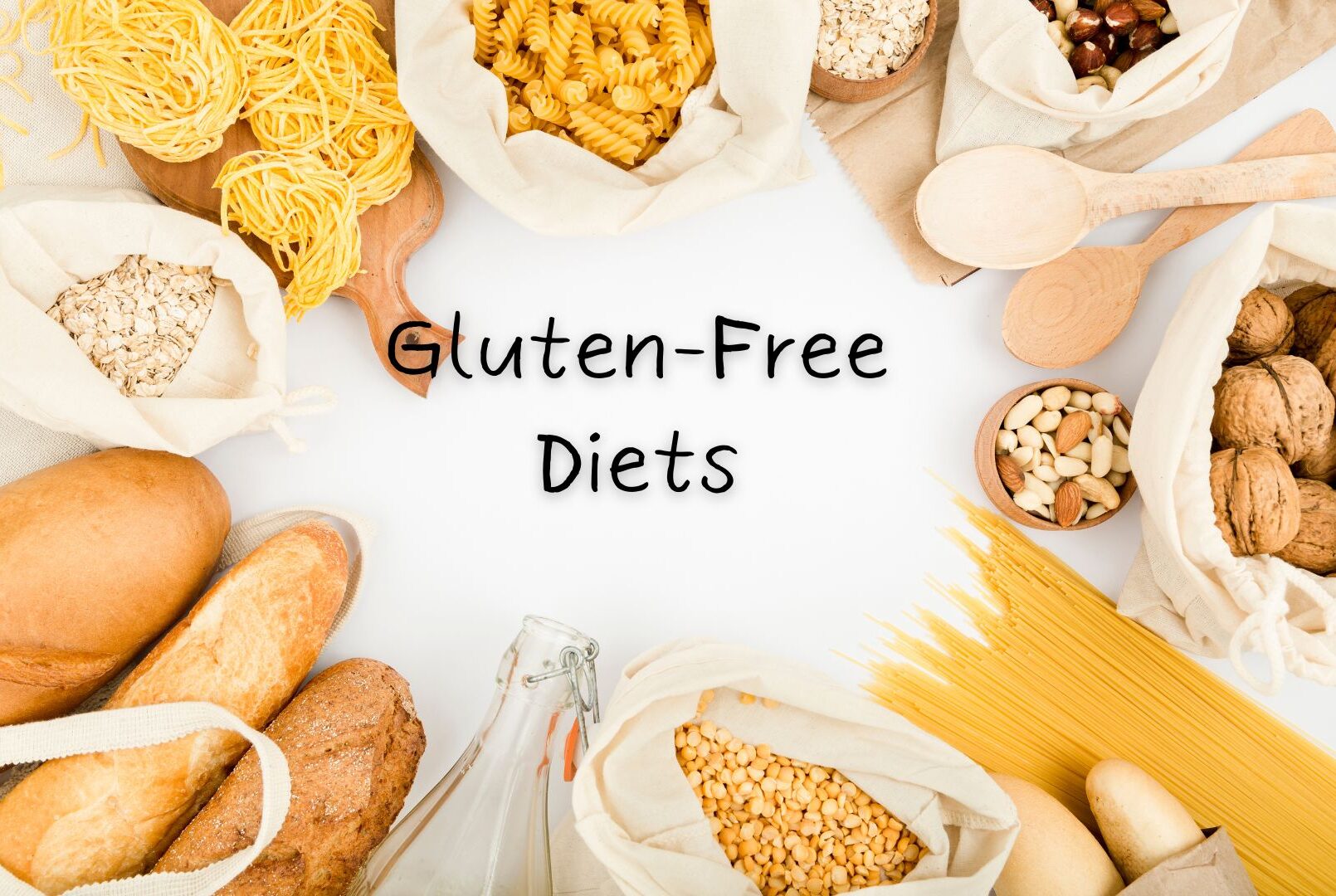
Exploring Gluten-Free Diet: Who Needs Them?
Have you ever wondered if a gluten-free diet is something you truly need, or if it’s just a passing trend? For some, avoiding gluten is essential to managing serious health conditions, while for others, it’s more about lifestyle choice. From celiac disease to gluten sensitivity, the reasons for going gluten-free are varied, but the effects are life-changing. Whether you’ve been diagnosed with a medical condition or are simply curious about the benefits, understanding who really needs a gluten-free diet is the first step toward making informed decisions about your health. Let’s explore why going gluten-free might be necessary — or even life-saving — for some people.
Who Needs a Gluten-free Diet?
A gluten-free diet is appropriate for special diets for those with certain diseases that could make them have strict diets. Here are the key conditions that necessitate avoiding gluten:
1. Celiac Disease
Celiac disease is a disease involving the immune system with manifestation in the small intestine. In this disease, when people take gluten, the body’s immune system response is wrong and the structure of the intestines is damaged which hinders absorption of nutrients. Other symptoms involve bloating, constipation or diarrhoea, nausea and fatigue. People who are suffering from celiac disease should stay on a gluten-free diet for the rest of their lives to help avoid complications like malnutrition and osteoporosis.
2. Gluten Sensitivity
Sometimes called NCGS or gluten sensitivity, this disorder is marked by symptoms similar to those of celiac disease like gas and digestive issues. Nonetheless, unlike celiac disease, NCGS does not translate into inflammation of the intestine. It may be quite difficult to diagnose this form of Celiac disease because standard diagnosis involves a patient’s response to the gluten-free diet. People with gluten intolerance get a lot of relief when they do not consume foods containing this protein despite more studies being required on the condition.
3. Dermatitis Herpetiformis
Dermatitis herpetiformis is the skin manifestation of celiac disease, also referred to as the celiac disease skin eruption. This condition is marked by inflammations and rashes of the skin and occurs mostly on knees, elbows and buttocks. In dermatitis herpetiformis, the best available treatment is gluten-free because it will drastically reduce skin symptoms and future outbreaks. People with this disease should also refrain from using products containing gluten to preserve their skin’s health.
4. Wheat Allergy
Wheat allergy is therefore different from celiac disease and gluten intolerance. It is an allergic reaction to proteins found in wheat, such as gluten, and often presents itself with digestive manifestations. For a person who has an allergy to wheat, when he takes wheat it acts like an antigen and produces an allergic reaction that can give the affected person skin rashes, stomach upset, sneezing or even anaphylaxis. Such people must always ensure that they do not take any food product that comes from wheat or contains any refined wheat product but that does not mean they have to avoid any gluten-containing product from barley or rye foods unless their doctor says it is necessary.
What to Avoid In a Gluten-Free Diet?
It is extremely difficult to avoid gluten in your diet as it is hidden in many ingredients and processed foods. Knowing what to avoid is critical for individuals who require a gluten-free diet to lead healthy lives.
Main Sources of Gluten
Wheat is the primary source of gluten in many diets, and various forms of wheat-based products include:
- Wheat Bran: Present in many cereal products and baked foods.
- Wheat Flour: Used in baking bread, biscuits, and snacks and is a product listed in many packaged food products.
- Spelt: A grain from the past that is used in foods that are made of gluten.
- Durum: Strong and normally utilized in making pasta.
- Kamut: Another ancient grain that is high in gluten.
- Semolina: Normally employed for making pasta and couscous.
In addition to wheat, other grains containing gluten are:
- Barley: Common in malt products and beer.
- Rye: It is commonly detected in rye breads and some cereals.
- Triticale: A kind of grain that contains both wheat and rye.
Hidden Sources of Gluten
Several of them can be prepared with ingredients containing gluten often without being readily apparent. Here are some key foods and beverages to be cautious of:
- Bread: In sourdough and whole wheat breads which have been prepared from wheat.
- Pasta: The regular pasta produced from wheat flour.
- Cereals: All breakfast cereals unless labelled gluten-free contain most of the known types of gluten. Low fat or low cholesterol can actually mask hidden gluten products as well.
- Baked Goods: Many foods, such as cakes, cookies, muffins, bread crumbs, pastries, and other snacks contain gluten, however, those labelled gluten-free contain gluten replacements.
- Snack Foods: Candies, muesli bars, crackers, prepackaged convenience foods, roasted nuts, flavoured chips, and pretzels may have traces of gluten in them.
- Sauces: There is gluten in popular condiments such as soy sauce, teriyaki sauce, hoisin sauce, marinades and certain salad dressings.
- Beverages: Some beers and some alcoholic cocktails are made from barley or wheat and both of these grains contain gluten.
- Other Items: Pizza, couscous, and broth should also be avoided unless these contain gluten-free labels.
Tips for Going Gluten-Free
Thanks to remarkable advancements in technology, many gluten-free products are now obtainable in the market. Nonetheless, the public can’t be blamed for not knowing what is in the food they eat since they do not read the ingredient list as required. Here are some tips to help navigate gluten-free shopping:
- Check Labels: Be on the lookout for products that are marked: “Gluten-Free.” This means they conform to the set FDA standards for gluten.
- Beware of Cross-Contamination: Some examples of labels might be notices like “manufactured in a facility that also uses wheat-containing products.” This can cause cross-contamination, which is a big problem because celiac disease is a powerful intolerance.
- Oats Caution: Although oats do not contain gluten, they can be contaminated with gluten from other crops in the process of production. When buying oats, try and look for oats that have a gluten-free certification.
Implementing a Gluten-Free Diet
Here are some tips for choosing gluten-free foods:
- Opt for Gluten-Free Grains: Some grains include tapioca, teff and yucca, which are grains known to be gluten-free. To ensure that your grains do not get contaminated with gluten, always choose ones that are labelled as gluten-free on the farm and during processing.
- Select Gluten-Free Oats: As nuts, oats do not contain gluten, but they may be processed along with gluten-containing products. Therefore, always make sure to purchase oats that show the label gluten-free.
- Incorporate Vegetables: There’s no gluten in vegetables, and they are excellent sources of vitamins and minerals. Perhaps, you can stew or barbeque them, also you may add various herbs and spices to the food.
- Enjoy Sweet Potatoes: Sweet potatoes are an excellent gluten-free food that can be either baked or fried.
- Include Meat, Cheese, and Potatoes: Most meats, cheeses and potatoes are free from gluten and can be safely included in one’s diet.
- Use Sorghum: Sorghum is rich and has a gluten-free grain that can be used both in baking and also in cooking.
Conclusion
In the end, whether a gluten-free diet is necessary depends on individual health needs. For those with celiac disease, gluten sensitivity, dermatitis herpetiformis, or a wheat allergy, avoiding gluten is not just a choice—it’s a requirement for better health. However, for others, gluten-free living may be more of a lifestyle decision based on personal preference or perceived health benefits. The key is understanding your body and working with a healthcare professional to determine what’s right for you. By being mindful of hidden sources of gluten and making informed choices, anyone can navigate a gluten-free diet successfully. Remember, it’s not just about eliminating foods—it’s about embracing a healthier, more intentional way of eating.
This guide is for educational and informational purposes only and is not a substitute for professional medical or health advice, examination, diagnosis, or treatment. Always seek the advice of a qualified healthcare professional, such as your physician or a physical therapist, before starting any new fitness program or making changes to your current routine. If you experience any sharp or persistent pain, stop exercising immediately and consult a medical professional. The author and publisher are not responsible for any injuries or health issues that may result from following the advice provided in this guide.
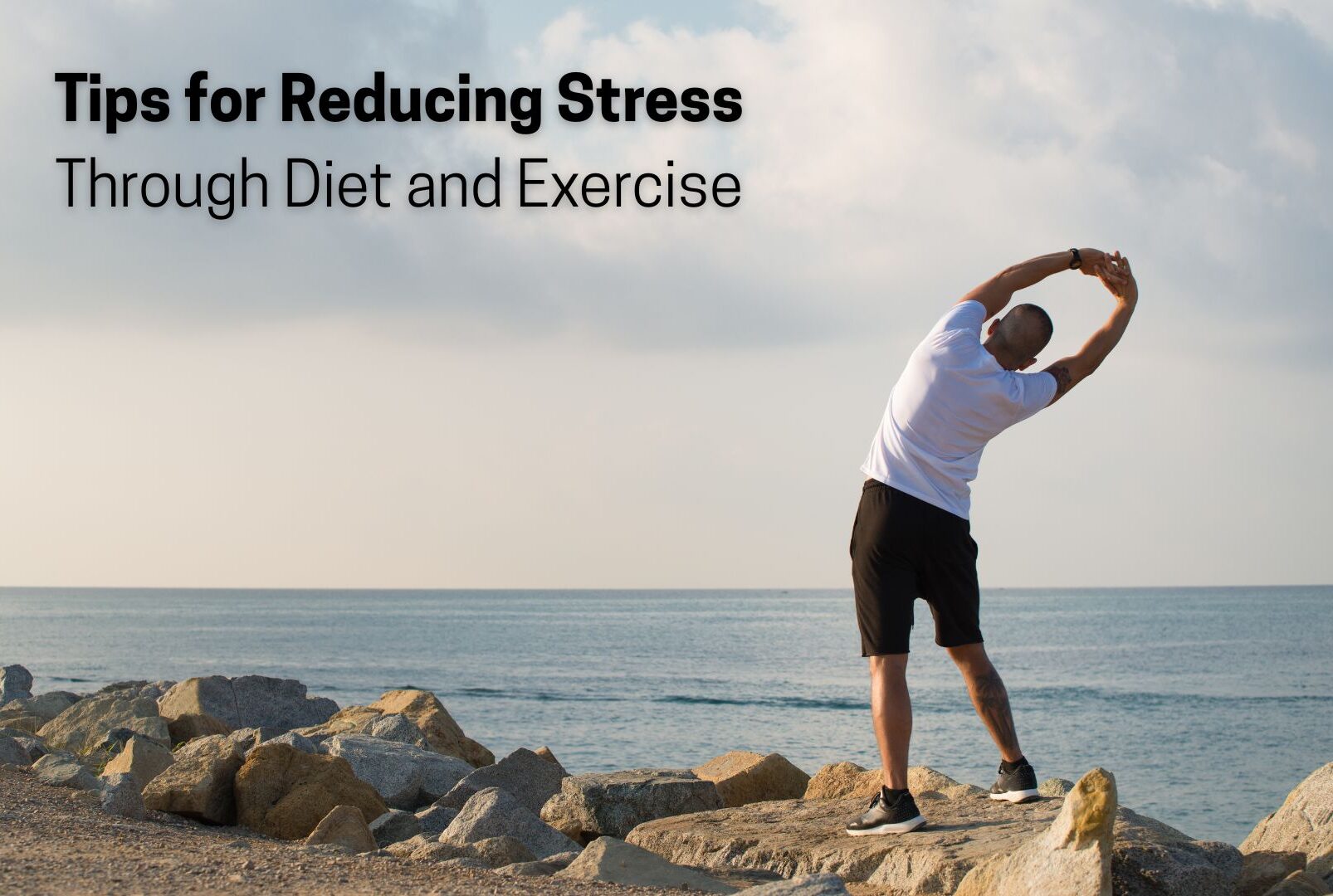
Tips for Reducing Stress Through Diet and Exercise
It is reported that 32% of the population suffers from mental illness, and 23% of the employees have at some point taken a one-year sick leave due to mental health problems. Why are we facing these problems? Due to the continuous improvement of technology and with the desire to get more, we forget to focus on our mental health. Stress could descend on people’s lives like a thief. He will steal happiness out of your lives. The good news is that diet and exercise can contribute massively to keeping that stress in check.
In this article, you will read useful tips on how to manage stress by adjusting your diet and choosing effective exercise regimens. We will look at foods that make you happy, types of exercises that can be considered relaxing and adjustments to make to achieve that state of well-being.
What causes Stress?
There are many causes of stress which can affect the mental and physical status of a person. Here are some of the most common causes, described in more detail:
1. Work-related Pressures
The contemporary workplace is a potentially stressful environment. Over time, the organisation has expressed several challenges such as heavy workload, pressure of meeting the target and short deadlines. Another such stressor is job insecurity; the looming uncertainty of layoffs or shifts in the company adds another invulnerable stressor that can be tough to let go of.
2. Life Changes
Transitions in life present themselves with a lot of changes in emotions. Sometimes you might easily get an opportunity to live in a New city, get married, or undergo a divorce, all those are wonderful and dreadful at the same time. Coping with them means adjusting schedules and experiencing possibilities that cause stress.
3. Financial Concerns
This is because the most item in life that creates ponder most of the time is money. If there is too much debt or a medical bill that came out of nowhere or the struggle to pay the bills the stress can always be there. Major fluctuations in one’s finances may cause sleepless nights and the constant sense of inability to do anything.
4. Relationship Struggles
Emotional connection with other persons are vital means of our interaction with the environment. Disputes with family, friends or an intimate partner produce stress emotionally. It boils down to what some people term as stress stems from the pressure of having to handle some sensitive discussions or feeling static from their spouse.
5. Health Issues
Physical health issues have known effects on psychological health. It is often seen chronic illnesses or other long-term health conditions or injuries make a cycle in a person’s life where they remain stressed and anxious always. If you stress over yourself or a family member’s manoeuvring health dilemma, you will feel emotionally drained.
What stress does to your body
1. Hormonal Changes
Stress is a condition, which affects a person in such a way that his body releases hormones like adrenaline boosters and cortisol. These hormones get you ready for an instantaneous task by increasing your awareness, raising the rate of your pulse and tightening your muscles. This short-term response is rather useful when handling stress-causing events.
2. Mental Health Disorders
Psychological disorders are illnesses that manifest in the person’s mental state and result in difficulties in performing regular activities. Some of them are: Panic disorder type, which involves worrying too much Obsessive-Compulsive Disorder, which is characterized by frequent obsession; Depression type where the patient is always too sad Bipolar type where the patient has episodes of mania and depression.
3. Cognitive Issues
Stress can change cognitive abilities and reduce attention span, and memory and even impair decision-making abilities. This can further complicate your efforts at stress management.
How Exercise Helps in Body
Physical activity increases your productivity and general health, making you feel and act more energised daily. Beyond general fitness, it offers direct stress-busting benefits:
1. Endorphin Boost
Physical activity stimulates the production of endorphins, the body’s natural chemistry for happiness. Whether you are walking, running, playing tennis or even cycling in the countryside anybody can experience this feeling.
2. Stress Relief
Physical activities make the body replicate stress responses, enabling it to prepare for them. It also removes stress and can impact the cardiovascular, digestive, as well as immune systems to help your body fight stress.
3. Meditation in Motion
Morning exercise or a racquetball match means that your thoughts are on the activity, not on daily aggravations. We help reduce distractions and develop awareness of our body’s movements that help foster our inner calm.
4. Mood Enhancement
Physical activity helps you become more self-reliant and self-assured, clears your mind and helps to lessen the feeling of depression and anxiety. It also regulates sleep since it may be affected by stress and anxiety. These are all the features and aspects that reduce stress levels and help you feel that you have more control over your life.
Effective Tips to Reduce Stress
1. Increase Physical Activity
Exercise can be used to prevent and alleviate stress and enhance the mood. In one study with 185 university students that was done for six weeks, it was revealed that aerobic exercise done only for two days reduced stress perceptions and symptoms of depression. Exercise is also effective for anxiety and depression to be included in your routine. If you are a completely sedentary person right now consider to start exercising just by walking or biking. Therefore when choosing the forms of exercise to undertake it is important to make them enjoyable to increase the chances of sticking to the program in the long run.
2. Adopt a Balanced Diet
The amount of food one eats and the kind of food influence both physical and mental health. Different empirical studies have shown that the levels of stress are higher in people who consume diets loaded with ultra-processed foods and added sugars. Stress can make it easy to overeat or crave foods high in sugar, fat, or salt Chronic stress can make it hard to make any healthy decision at all. To support your mental well-being, focus on nutrient-dense whole foods, such as:
3. Limit Phone and Screen Time
Spending much time on smartphones, computers, tablets, and the rest, makes people feel stressed and less healthy, as a rule. Based on the literature review conducted by Sim, K & M, in 2021 it is determined that excessive exposure to screens leads to the poorer psychological well-being of individuals, and specifically, results in poor sleep quality. Cutting back on screen time is beneficial for one’s psychological health and helps to solve such an issue as stress.
Best Foods to Help Fight Stress
1. Herbal tea gives that feeling of warmth and tranquillity.
It cannot always be said that the nutritional values of what we take can assist in the reduction of stress, but rather the entire exercise. It will put you to some relaxation when you are holding a warm cup of herbal tea. Just as touch, carrying and sipping hot beverages can foster contact and express interpersonal warm kindness. Some of the most famous herbs include lavender which has soothing properties to the body and chamomile. Although herbal tea is relaxing, green tea is also okay since it has mild caffeine, and its flavonoids are also good for your brain.
2. Cocoa Products: Medically Rich Food Delight.
Dark chocolate will typically reduce stress as a result of it containing stress-reducing components and as well as stress-reducing satisfaction. This kind of chocolate is vibrant in antioxidants, and when taken, it has been known to decrease stress hormones in the body. Watching a piece may cause people to feel rewarded because they taste something sweet which gives the audience a feeling of being pampered. But of course, moderation is always encouraged; attempting to finish one ounce at a time makes the trip worthwhile without giving in to the temptation of more than one ounce at a time. Consuming the best dark chocolate with few ingredients added is the best way to go in terms of nutritional benefits.
3. Carbohydrates and whole grains
This can be translated into mood since high levels of serotonin, a value determinant of well-being, are temporarily elevated when carbohydrates are taken. Complex and natural sources of carbohydrates are recommended, including sweet potatoes and grains. While simple carbs make one feel a rush of energy before leaving one drained out, complex carbs give a steady supply of power plus health. In addition to such food products, fiber-containing products, specifically whole rye and brown rice, are also healthy for the gut microbiome, contributing to better mood regulation.
4. Eating avocados gives you a booster shot of stress-busting omega-3 fatty acids.
Avocados are tasty and can be used in nearly every meal. They also help provide an omega-three fatty acid, which helps lower anxiety levels. The consumption of omega-3 in the right proportion in foods is vital for the maintenance of good health. Avocados are also an incredible source of fibre and essential nutrients for the heart and brain, and healthy digestion. Research has shown that eateries that provide avocados result in enhanced or rather a higher quality diet, but these studies are association-based not causal so it’s good to consider.
5. Effects of Fish on the Heart and Deterring Stress
Hearing helps, especially if you include in your daily diet types of fish as salmon and mackerel and other types of fatty fish, which can be good both for the heart and stress. These omega-3 fatty acids in fish can help improve mood by having an impact on chemicals in the brain. Nevertheless, there are other ways through which one can source omega-3s if at all they dislike fish, some of them include: chia seeds, flaxseeds, walnuts, and some products that are fortified. Supplements also deserve attention; therefore, before including them in your diet it is advisable to consult a doctor.
Conclusion
Stress management appears to be a challenging task, but having a healthy diet and performing a few exercises will tremendously enhance your state of well-being. As the famous saying goes, out of sight is out of mind so yes people should be concerned about how they look but more importantly, how they feel. As you have also seen, different foods have different effects on your mood and general well being while exercise puts out those flattering hormones that enable you to confront the day’s challenges cheerfully and positively.
This guide is for educational and informational purposes only and is not a substitute for professional medical or health advice, examination, diagnosis, or treatment. Always seek the advice of a qualified healthcare professional, such as your physician or a physical therapist, before starting any new fitness program or making changes to your current routine. If you experience any sharp or persistent pain, stop exercising immediately and consult a medical professional. The author and publisher are not responsible for any injuries or health issues that may result from following the advice provided in this guide.

The Benefits of a Plant-Based Diet!
Have you ever wondered how nutrition affects your life and lifestyle? A plant-based diet is not a social trend or a gimmick.It’s more than a lifestyle trend—it can be a life-changing choice. Eating colourful fruits, vegetables, and whole grains can boost your health. They can help prevent some lifestyle diseases. Their benefits are too great to ignore. If you’re curious how a plant-based diet can affect you, consider some healthy recipes.
Health Benefits of a Plant-Based Diet
A plant-based diet also has so many health benefits when it comes to a diet. It supports the immune system and decreases your chance of getting various diseases.
Supports Immune Function
There are a lot of nutrients in plants that are convenient for the immune system of a person’s body. The vitamins, and minerals contained in plant foods assist in maintaining your cells in the right state and hence your immune system.
According to Murray, a health education specialist, plants give your body more nutrients, which are required to combat diseases. A healthy immune system is important as this body system detects and destroys abnormal cells that are known to cause cancer.
Reduces Inflammation
A component present in plants helps reduce inflammation. They fight free radicals which are in the forms of pollution and processed food toxins. These nutrients neutralize the free radicals and help the body stabilize chemical imbalances. Inflammation can increase the possibility of chronic diseases such as arthritis and some types of cancer. So, eating plant-based food is a good way to have a healthy lifestyle.
Aids in Weight Management
Preventing obesity can also dramatically reduce your risk of getting most forms of cancer. It is reported that Obesity causes inflammation and hormonal disruption which raises the prospects of different types of cancer such as colon, breast, and pancreatic cancer. Because plant foods are usually lower in energy density and higher in nutrients you can control your weight better. Combined with aerobic exercise, they help to put you on the way to a healthy weight and stay that way for a long time.
High in Fiber
Many plant foods are high in fibre and this is useful to everyone’s health. Fiber is used in the framing of plants and serves several functions such as; improving gut health, enhancing nutrient uptake, and enabling support of the immune system. It can also assist in the reduction of cholesterol; regulation of blood sugar levels as well as support bowel regularities. Dietary fibre is of considerable significance in decreasing the risk of the third most prevalent cancer, that of the colon.
Lowers Risk of Other Diseases
A plant-based diet has several benefits apart from fighting cancer diseases. It has also been proven to decrease the likelihood of diseases like heart disease, stroke, diabetes and some related mental illnesses. By getting more doses of plant foods into your diet, you are going a long way in changing your life for the better and longer.
Plant-Based Diet: How to Begin
For people intent on going vegan, the transition should be done slowly to develop sustainable behaviours. Here are some actionable tips to get you started:
1. Fill Half Your Plate with Vegetables
Set a goal to have at least half of all your lunch and dinner plates be composed of a colourful palette of vegetables. This not only increases the portion size of nutrients taken but also enhances the appearance of the foods being taken. Combined with roasting steaming and sautéing to enhance the flavors and texture of the food.
2. Seek Out Healthy Fats
Replace saturated fat with unsaturated fats that are good for the heart. Opt for plant-based sources like:
- Olive oil and avocado (and their oils)
- Nuts and nut butter
- Seeds (chia, flax, pumpkin)
Also, incorporate sources of omega 3 fatty acids that as hemp seed, and walnut. Use these instead of animal fats such as butter and Lard for better taste and nutrient benefits.
3. Eat Vegetables at Breakfast
The first way to change is to ensure you incorporate vegetables into your breakfast. Try:
- Spinning the greens in egg and scramble or tofu
- Adding cauliflower or zucchini to your oatmeal or even using them in your morning smoothie.
- Forming a salad breakfast with the addition of greens, nuts and seeds
- Mix sliced bell peppers or tomatoes into your omelettes
4. Try to have a vegetarian dinner at least once a week.
Make Monday a vegetarian night by having a vegetarian dinner in the house. This takes the attention of animal proteins being the focus of the dish. If one intends to give a complete shot to the vegan meal, then maybe one should use the animal protein more as a garnish. Experiment with hearty vegetarian dishes, such as:
- Chickpea curry
- Vegetable stir-fry
- Lentil soup
5. Select fruits for desserts or snacks.
Do not use butter and eggs to make your dessert products but use fruit processed products. It also is an effective way to satisfy your sweet cravings while bringing even more plant-based nutrition to your table. Consider:
- Preparation of fruit smoothies which incorporate almond milk and greens
- Spicing up the fruit salads envisaging nuts or seeds addition.
- Having a baked apple or a poached pear for warmth
6. Try One New Plant Food Each Week
Treat the plants with different food types in a week to give them variety. This aids in introducing you to many flavours and getting you to have a wider variety of vitamins and minerals. Some interesting options include:
- Bok choy: Great in stir-fries
- Rutabaga: As a substitute for potato may be prepared roasted or mashed.
- Squash blossoms: Stuffed or used in salads
- Celeriac: Shredded in slaws or soups
- Kohlrabi: Either used directly in salads or cooked in various recipes.
7. Meal Prep and Planning
Knowing what you are going to eat can assist you in maintaining a plant-based diet. One, engage in meal prepping by preparing ingredients or a whole day’s meals in a week at least. Slice your vegetables, cook grains, and prepare your snack options so it is convenient to consume plant-based foods during the week.
8. Explore Plant-Based Recipes
Gather ideas from books, websites and social network profiles of vegan recipes and vegan meals. Try out new recipes for cooking methods to overcome meal boredom. You may want to try assessing international foods that are rich in plant foods like Mediterranean, Indian or Thai foods.
Delicious Plant-Based Recipes
1. Green Bean Pasta with Cashew Pesto
This glossy pesto pasta is always a hit, and everyone’s favourite, for one raving that it is the best pesto recipe she ever tasted. The sauce consists of cashews, fresh spinach, basil and nutritional yeast. The only thing you need to remember is to cover the cashews with boiling water for 30 minutes before blending. One of the commenters claimed that this is suitable for any meal type, she tried substituting spinach with collard greens, yet it turned out superb.
2. Thai Rice Salad Bowl
Great both for the eyes and the stomach, for the lovers of brown rice it is complimented with crunchy red cabbage, the sharp taste of green onions, and sweet potato wedges. Optional serve with fresh cilantro, hot sriracha and the added marinated almond-lime dressing. One of the users commented: “I use this bowl for my family, we, of course, have two children, and everyone loved this kind of bowl.”
3. Tex-Mex Pita Pizzas
With these easy-to-make, no-hassle single-serving vegan pizzas, pita bread is used as the base. Just add avocado on top and chopped corn and black beans for a fun family meal that can be prepared in a snap.
4. Chickpea Flour Pizza Crust – Gluten-Free
This light, gluten-free chickpea flour pizza crust is primarily very easy to prepare. It’s filling but not heavy, which can be filling at the same time. Pro tip: cook several crusts at once and then freeze them for use on busy days of the week.
5. Sneaky Chickpea Burgers
If you are desperately looking for a dish that will appeal to everyone and is vegan, then this is for you. Here is a family-favourite quick-to-make burger recipe from Dreena Burton. Instead of breadcrumbs, this version has carrot and bell pepper, which brings natural sweetness; tomato paste, red wine vinegar, Dijon mustard, and nutritional yeast pack a tang. Kindly, one of the commenters had this to say, “probably the tastiest bean burgers I have ever consumed”.
Conclusion
Going vegan is an exciting process, not only for the reasons related to health and the protection of animals but also for one’s taste buds and overall well-being. Just think of having your plate full of foods that are as delectable as they are colourful and good for the body. Not only do you get to enjoy great-tasting meals, but you’re making a good investment in your health every time you dine out.
This guide is for educational and informational purposes only and is not a substitute for professional medical or health advice, examination, diagnosis, or treatment. Always seek the advice of a qualified healthcare professional, such as your physician or a physical therapist, before starting any new fitness program or making changes to your current routine. If you experience any sharp or persistent pain, stop exercising immediately and consult a medical professional. The author and publisher are not responsible for any injuries or health issues that may result from following the advice provided in this guide.
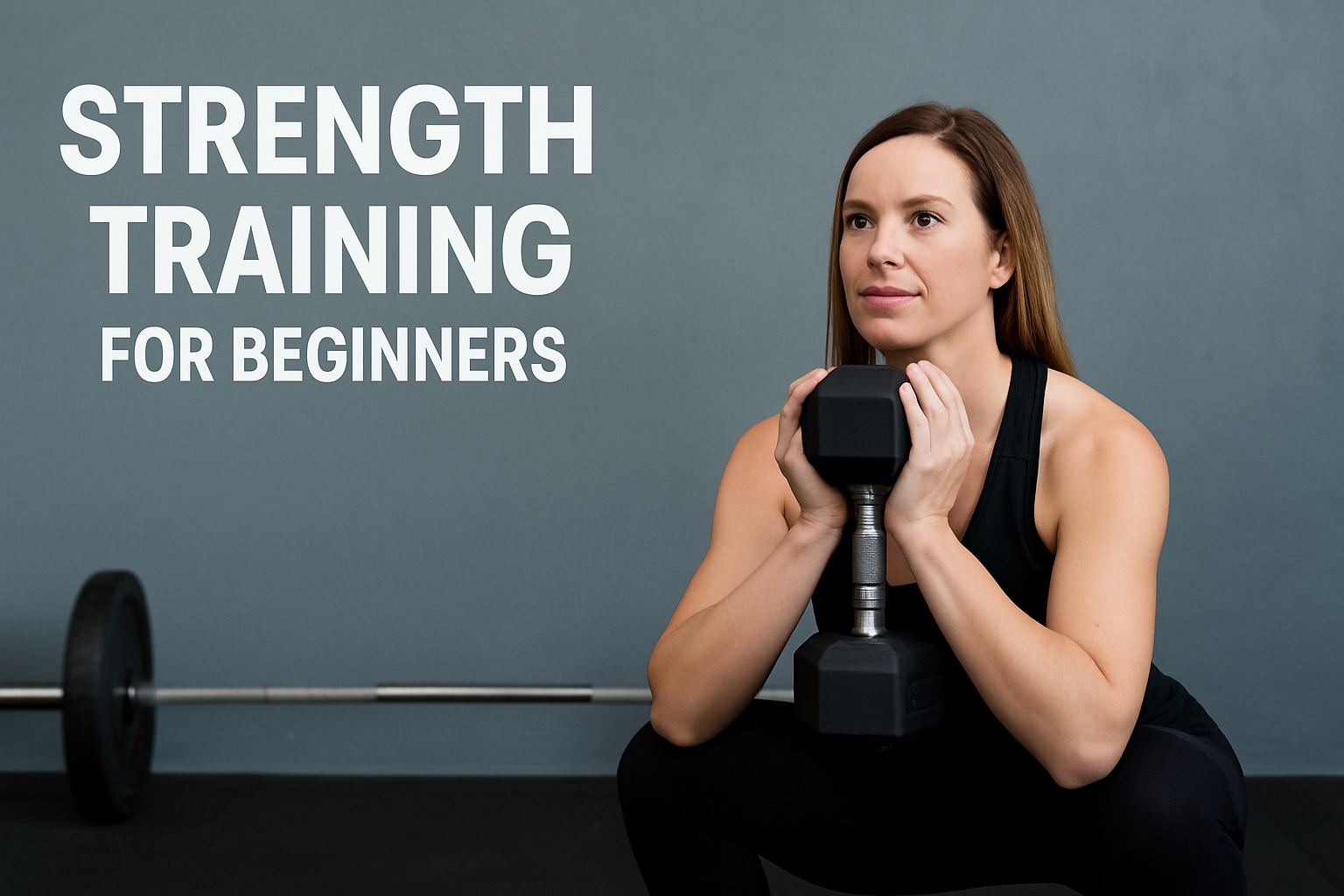
Strength Training for Beginners: 5 Easy Exercises to Start Your Fitness Journey
When I first started gym and strength training it was very tough for me to even lift a single weight. I was confused and frustrated about how I started my strength journey. I didn’t know if I was doing things properly. That’s when a friend of mine told me to take it slow.
With his help, I learned how to start and what to do next. He showed me the basics and helped me move forward one step at a time. I was lucky to have a friend like him, but not everyone has someone to guide them.
That’s why I’m writing this blog—to help you start your strength training journey just like my friend helped me. In this article, I’ll share simple tips to get you started. But remember, the most important thing is to be consistent. Without consistency, you won’t see the results you want. So, take it slow, stick with it, and you’ll make progress. Let’s begin your strength journey together!
Understanding the Science of Strength Training
Strength training involves many Instances on a physiological level which aims at the development of muscular strength. When one exercises with weights, Their muscles experience micro-tears in the body, which in turn rebuild themselves into stronger tissues. Such changes are regulated by hormones released throughout the body such as testosterone and human growth hormone (HGH). Also, strength training involves enhancing neuromuscular connections and as a result enhancing the intricacy of muscle contractions. Here are some key aspects of the science behind strength training:
Muscle Contractions
Concentric Contraction: This happens when a muscle exercises force while in its shortest position for instance during a weight lifting process.
Eccentric Contraction: This occurs when one tries to set a muscle while in a state of contraction for instance when lowering a weight. There are two types of contraction; both of them are highly significant for muscle mammillate and strength building.
Neurological Adaptations
Improved Coordination: Strength training also involves the camping of muscles thus improving the relay between the brain and muscles hence better movements.
Motor Unit Recruitment: While exercising, your motor units – networks of muscle fibres associated with one nerve – become progressively better coordinated.
Hormonal Responses
Testosterone and HGH: These hormones are important in the building of muscle tissue and their secretion may be something that strength training will affect.
Insulin Sensitivity: Strength training thus helps in enhancing the level of use of glucose in the body and energy coordination by enhancing the level of insulin sensitivity.
5 Basic Strength Training for Beginners
- Squats: Let’s take a closer look at how to fully control the process of training the most effective exercise of all – the squat.
- Take a comfortable stance with the distance between the two feet parallel to each other.
- Tighten your abdomen muscles, pull up your buttocks, and look forward.
- Gradually bending your knees slowly lowers your body down to the squatting position with your weight being in the heels.
- Now take a break and jump with the help of your heels to rise back to a standing position.
- Begin with the movement without weights, and as you gain strength and confidence, incorporate the plates into your routine.
- Bicep Curls: Building Upper Body Strength
- This can be done with your feet spread a little wider than shoulder width, grasping the dumbbells with palms facing in front of you.
- Your upper arms should remain relatively motionless, it is your forearms that should be active.
- Package the dumbbells to chest level, and contract your biceps at the highest point.
- Lower the dumbbells back to the starting position and do not swing or jerk the weights.
- Bicep curls should be done in slow motion to get the best out of your target muscles.
- Push-ups: A Full-Body Exercise
- Take a position on the plank with your hands placed shoulder-width apart from each other, and ensure your abdomen is pulled in and the body along the highest part of the head to the tip of the heels.
- Bend your knees, extend your arms forward and lower your body downward as much as possible keeping your upper arms in contact with your torso.
- Return to the standing position, as far as your chest and head are concerned, don’t allow your hips to drop or your back to bow.
- Try to move down slowly as well as take approximately 2-3 seconds to come down and about 2-3 seconds to go back up.
- Deadlifts: The Compound Exercise for Total Body Strength
- Take a parallel stance with your feet, and grip a weight or barbell with your hands at about the same distance apart from your shoulders.
- Suck in your belly button, tuck your tailbone, and bend at the waste.
- Slowly bring the weight down to the floor with the knees forming a slight bend, and your weight shifted to the heels.
- Slide your heels to the ground and pull yourself up to standing, engaging your glutes while also pressing your hips backwards.
- Slowly lower the weight without swinging or jerking the weight during the entire movement.
- Lunges: Building Strength and Balance
- Place your feet side by side, and move one of your feet forward as if you are going to kick something, this distance should be large.
- Reduce yourself to a nearly parallel position to the ground, front leg’s knee position must be at a 90-degree angle while the second leg’s knee should be almost touching the ground.
- Swing through your front heel to get back to standing, do not let your back knee go past the toes.
- Perform with two legs at a time, and ensure the movement is determined and precise to hit your butt, thighs, and thigh muscles.
Remember to:
- One has to begin with a smaller amount of weight and step up as one gains muscle and self-assurance.
- The volume being rep’d should not be the number of reps or the weight used but the form and technique of the reps being done.
- It is recommended to exercise with warm muscles and it is also important that the muscles are warmed down after the exercise session.
- It is also important to pay attention to one’s body and if feeling tired stop and have a break to recover, but the strength training should be tough.
Conclusion: The Strength Journey is Yours to Own
For those of you looking forward to starting your strength training regime, let me tell you, it is a call for every single step. People need to remember that every great person once began at the lowest point in their career. The key is consistency—don’t rush, take it one step at a time, and celebrate your progress along the way. Every rep you do whether you’re focused on achieving the perfect squat form or gradually increasing your deadlifts is taking you a step closer to your dreams. Always remember that stay patient, stay focused and learn to listen to the body. Again, one thing you have to know is that muscle isn’t only made in the gym but it is also made in the mind.
This guide is for educational and informational purposes only and is not a substitute for professional medical or health advice, examination, diagnosis, or treatment. Always seek the advice of a qualified healthcare professional, such as your physician or a physical therapist, before starting any new fitness program or making changes to your current routine. If you experience any sharp or persistent pain, stop exercising immediately and consult a medical professional. The author and publisher are not responsible for any injuries or health issues that may result from following the advice provided in this guide.

Calisthenics vs Weight Training Which Is Better for Your Fitness Goals?
I also remember the time when I was balancing between callisthenics and weight training. I was in a dilemma about what to do. It was quite challenging when I had to choose between calisthenics and weight training; I was confused about which way was best for my fitness. Both demand passion and hard work to achieve the type of figure you want to have. Weight training is the process of using weights to construct or reshape muscles, while callisthenics is the process of using one’s body mass to exercise muscle groups to strengthen them, control and exercise them. It is totally up to you what kind of training you want. This blog will help you decide, whether you should go for caliusthenics or weight training.
Understanding Calisthenics
Originally, Calisthenics was a method of physical improvement and health of school children, and the practice is aimed at strengthening muscles as well as shaping more beautiful bodies. Over time, however, callisthenics transformed into a training method closely associated with gymnastics. The only primary difference is that, unlike gymnastic exercises, callisthenics can be performed just about anywhere, particularly outside. That’s why it is called a “street workout” as it is the kind of workout that can be done in parks, on the sidewalks without any special equipment, actually, using only one’s body weight.
Understanding Weight Training
Weight training is as simple as any form of exercise that involves the use of weights and or body mass in toning the muscles. Whether you’re lifting free weights such as dumbbells, using gym equipment or doing movements such as push-ups as well as squats, the idea is to work the muscles so that they adapt to handle more weight in subsequent sessions.
Weight training is incredibly beneficial. Then it enhances muscle mass, and bone mineral density and elevates metabolic rate thus directing weight issues. Also, it can give you a sense that everything is a little less effortful: picking up groceries and carrying something heavy.
The best part? Weight training isn’t restricted to bodybuilding and athlete individuals only. That means anybody can do it, no matter how out of shape they might be, this can be done to get better and stronger. As I said, it’s all about knowing what kind of exercises are best for your body type and sticking to it. When approached in a proper way and consistently weight training becomes a powerful source of strength and the appropriate way to feel good for a long time.
Comparing Calisthenics and Weight Training for Common Fitness Goals
When it comes to choosing between calisthenics and weight training, the decision often depends on your specific fitness goals. Both training styles offer unique benefits, and understanding their differences can help you make the right choice for your body and lifestyle.
1. Muscle Building
- Weight Training: Ideal for hypertrophy (muscle growth), especially when using progressive overload with machines or free weights. You can target specific muscle groups with more precision.
- Calisthenics: Builds lean muscle mass, especially in the upper body and core, but may be slower in adding bulk compared to weightlifting unless advanced movements are used (e.g., planche, muscle-ups).
2. Fat Loss
- Weight Training: Increases resting metabolic rate through muscle gain, helping in long-term fat burning.
- Calisthenics: Often involves compound and full-body movements that burn calories efficiently, especially when performed in a circuit or HIIT format.
3. Strength Development
- Weight Training: Helps develop maximum strength with heavy loads and lower reps. Great for athletes aiming for explosive power.
- Calisthenics: Builds functional strength and body control. Exercises like pull-ups, dips, and handstands develop real-world strength and coordination.
4. Flexibility & Mobility
- Weight Training: If not balanced with stretching, can lead to stiffness. However, proper form and mobility-focused exercises can help.
- Calisthenics: Encourages better joint mobility and flexibility due to the nature of bodyweight movements.
5. Convenience & Accessibility
- Weight Training: Requires access to a gym or equipment like dumbbells, barbells, or resistance machines.
- Calisthenics: Can be done anywhere—parks, home, or even hotel rooms—with little to no equipment.
Benefits of Calisthenics
- Flexibility & Convenience: It requires no machines, equipment or fancy attire; just you and some square feet. This makes callisthenics one of the most efficient and accessible workouts for anybody, anywhere.
- Functional Strength: Due to the fact most of the callisthenics exercises copy the actual body movements, it supports the creation of functional strength that enhances your tasks in day-to-day life. For instance, push-ups and squats are close in nature to actual
movements, which is why you become even more prepared for actuality. - Muscular Endurance: A lot of callisthenics exercises are high-repetition movements, which add to muscle endurance, which is good for endurance training.
- Low Injury Risk: In their execution, it is easier to avoid injuries with callisthenics exercises compared to when using weights and thus they cause less stress to the body.
Challenges of Calisthenics
- Building Muscle Mass: However what calisthenics lacks is the ability to gain significant size of lean muscle tissues concerning weight training, especially if you are not at the beginners’ fitness level.
- Plateaus: Even when you are trying to work on basic movements, it may be challenging to know how to progress in your training without using advanced gadgets like weighted vests or increasing the level of bodyweight exercise challenges.
In summary, calisthenics is a great choice especially when looking for a practical and versatile form of training not requiring a gym or exercise equipment.
Weight Training: Strength, muscle and precision
Weight training, also called resistance training, is a sort of training where a person uses weights (hand-held weights like dumbbells and barbells, kettlebells or weight machines) to build muscles the influence can be of weight amounts, frequency of training sessions, degree of incline, number of sets, the kind of exercises and so on. This is a far more systematized way of exercising than the cardio-vascular type and it is usual to undertake weight training in a gymnasium, or with special apparatus though it is possible to train at home with the equipment being to hand.
Benefits of Weight Training
- Muscle Growth: Weight training is most appropriate for people who wish to build up muscle mass. In the progressive overload principle, muscles are gradually overloaded by using weights which cause stimulation of muscle fibers that in the end enhance the size and strength of your muscles.
- Strength Gains: Weight training is the only form of exercise where a person can continually apply more stress on the muscles, and this is essential if you want to get strong. The beauty of weight training is that it allows for the concentration of smaller groups of muscles as opposed to other training programs where all the muscles are pulled into play at once.
- Improved Metabolism: Strength training bends your resting metabolic rate since muscles are increased. Another reason to have muscles is because they burn more calories than fat tissue; that is why weight training can assist in fat loss and weight regulation.
- Bone Health: Weight-lifting exercises are also beneficial in increasing bone mass, something otherwise might lead to cases of osteoporosis in future due to the failure of the bones to mineralize.
Challenges of Weight Training
- Accessibility & Equipment: If one is to fully participate in weight training, most often one must have access to a gym or at least some form of weights. While those can be created, home gyms must be larger and require more investment in equipment.
- Risk of Injury: Weight training, however, is much more dangerous if not done properly with the right techniques or when done with weights that are a little too heavy for the exerciser. There’s a need to observe the correct form in order not to get injuries while lifting weights, particularly the very heavy ones.
- Weight training is best suitable for individuals who have objectives of greater muscularity, strength and body level. It provides an accurate measure of resistance to give the needed and preferred workout by the targeted muscles. In any of these cases, whether you want to gain more inches to your frame or to increase the pounds you’re capable of lifting, weight training comes in handy.
My Journey: Balancing Between Both
When I first began training I was lost between weight training and calisthenics. At first, weight training appeared to be the obvious method of placing mass. But after a few months, I got to know that callisthenics is much more complex than I had expected. On that day, I learned that in addition to strength, I have to aim for mobility, endurance and mastering full-body movement.
For me, one of the biggest issues was the direct focus on the training of this muscle group, sometimes referred to as the core. It was easy to leave out the core in weight training, but in callisthenics, the core area is important. Every movement –from push-ups to pull-ups – involved core activation particularly for support and control. Also, I had to learn not only how to properly exercise my biceps and shoulders but also how the rest of the muscles in my body need to activate to execute each routine.
As the years went by, I realized that there is still merit in being a part of a training program that practices both styles. For instance, through the calisthenics exercises, I was able to reap massive muscle strength, body control, and pliability to the body; and this tool aided me in attaining increased muscle mass and concentrated strength throughout certain parts of the body through weight training.
Which is right for you?
Deciding on what kind of strengthening you want is important before you start any of these. Calisthenics is Completely core strength, you will need more strength to strengthen your biceps and shoulders. On the other hand, weight training is different. You will be strengthening your whole body. If the goal is to have a form of fitness that affords one a boasting flexibility and convenience when it comes to building functional strength and endurance, then you should try callisthenics. However, if you are in it for the build-up of muscular strength and power and can monitor the weight lift regularly then weight training is more suitable for you. Some fitness lovers even use both approaches to get the best effect from the two systems.
This guide is for educational and informational purposes only and is not a substitute for professional medical or health advice, examination, diagnosis, or treatment. Always seek the advice of a qualified healthcare professional, such as your physician or a physical therapist, before starting any new fitness program or making changes to your current routine. If you experience any sharp or persistent pain, stop exercising immediately and consult a medical professional. The author and publisher are not responsible for any injuries or health issues that may result from following the advice provided in this guide.

10 Beginner Calisthenics Exercises to Build Strength at Home
I think it is essential to know about something before going straight into doing it, and calisthenics is not an exception. The first time I ever did calisthenics, I thought it was one of the most difficult things I have ever had to do. One day, I felt that I could have a get-out clause and change my decision, but I didn’t. It has been a wonderful transformation from lifting merely the smaller undesirable parts of the body to lifting the whole body. You will also feel the same if you start practising callisthenics. In this blog, you will learn some callisthenics exercises that you can do as a beginner. These exercises help me be consistent in my fitness regime.
Benefits of calisthenics exercise.
When I began performing callisthenics, I soon understood that it is not only the process of getting muscles or having the body of a fitness model. Of course, those are nice results, but there are so many other benefits that will make this type of workout perfect. Here’s why I think callisthenics is worth adding to anyone’s fitness routine:
1. Boosts My Metabolism
The first thing I thought about callisthenics was its effectiveness in increasing the body’s metabolic rate. Performing the exercises with my own body weight as resistance helped boost my basal metabolic rate (BMR), which in turn helped me burn more calories during the day, not only when exercising. It’s like having little fat-burning power plants all over the body!
2. Less Stress on My Joints
I have also discovered that exercise programs engaging in callisthenics are not as straining to the joints even when compared with muscular strength training. Of course, weight lifting can sometimes lead to such strains, but since callisthenics works with own body weight, joint pains and discomforts are far less noticeable. They’ve also benefited my joints and made them more stable, which is beneficial when it comes to avoiding long-term injuries.
3. Improved My Mental Health
That is when I quickly realized the effects that callisthenics had on the aspect of mental health. People are aware that exercise improves mood but, calisthenics for me made me feel more directed and logical. It was an effective way to relieve stress or anxiety or even when I felt like being relieved from work pressure for a while a workout session pumped up my energy in equal measure.
4. Increased My Flexibility
In addition, one of the positive effects I never really expected was that I could become so much more flexible. In an attempt to do so, I applied force to different parts of my body and it was apparent that the range of motion was increasing. The nine days of pre-production on it made me more of a chameleon, without even knowing it. This also assisted me in feeling less and moving better in the course of daily living activities.
Therefore, for those who want to increase muscle strength, enhance the flexibility of muscles, or enhance general body health, then it is recommended to go for callisthenics. Not only is it an effective and easy method to improve physical and mental well-being, but there’s no equipment necessary! It’s that simple just learn the basics, begin to get moving, and see the change that happens.
10 Body Weight Exercises For Strength You Can Do At Home
1. Chest, Shoulders, and Triceps/ Push-ups
They are very effective for toning upper body muscles as you do not require any additional weights. They directly focus on the chest, shoulders, and triceps besides giving the abdominal a good workout.
How to do it: Begin in a plank position and put your hands on the ground beside your shoulder width. Lower yourself down with your elbows by bending them until your chest touches the floor and then expel your air, push back up to the normal position. The neck and spine should be aligned and your abdominal muscles should be engaged during the whole process.
2. Chin-ups (Back, Biceps, Shoulders)
This is very nice for making backs stronger and also good for the biceps and shoulders. It is one of the best exercises that call for the development of the upper body pulling muscles.
How to do it: Take a pull-up bar with your palms backwards (overhand grip), hands position slightly beyond shoulder breadth. Take a grip of the barbell at your full arm stretch from the bar. Jut your face up over the bar by squeezing through your back and biceps and then lower yourself down.
3. Dips (chest/triceps/shoulder)
Dips are wonderful for the chest triceps and the shoulder muscles and should be done on the parallel bar or any other sturdy furniture.
How to do it: Stand in front of two parallel bars grasping them with your arms fully stretched in front of you. Lower the weight by flexing at the elbow to about 90 degrees; add some anterior oblique muscle activity by leaning forward slightly. Pull back up till your hands are pointing outwards in a straight line with the rest of your body.
4. Squats (Legs, Glutes)
Like with any bodyweight exercise, body weight squat is very essential in developing at least lower body strength, specifically focused on the quad, ham and glute muscles. They also assist in enhancing the core stability.
How to do it: You should stand with your legs slightly widened and your feet shoulder-width apart. Told your body backwards and down by flexing your knees and your hips while at the same time, ensuring your chest is up and not bent forward. Go as low as your flexibility allows, through your heels and up.
5. Lunges (Legs, Glutes)
Lunges can be classified as a unilateral leg movement with the muscles it pulls focusing on the quads, glutes and hamstrings, additionally, it also works on balance and coordination.
How to do it: Push your back and stand up straight then slide one of your legs forward and bend until the rear knee is aligned with the front knee in a perpendicular manner. Slide the back foot out as you shift your weight back to the front foot and push through the heel of your front foot to return to the starting stance. Repeat on the other side.
6. Plank (Core, Shoulders)
The plank is one of the most effective exercises for the core muscles shoulder girdle and general body balance.
How to do it: You can then begin by getting to a press-up position but instead of resting your body weight on your hands, rest on your forearms. This should be done in line with your head and heels so that your body forms a straight line and maintains an active abdominal muscle contraction. Now, maintain it this way, focus on regular breathing without allowing the hips to drop down too low.
7. Mountain Climbers (Core, Shoulders, Legs)
Biomechanically, mountain climbers raise cardiovascular fitness levels as well as work on the core muscles, shoulders, and thighs.
How to do it: Start in a push-up position. From the gluteal abdominals position, raise one knee towards the chest and fist and then switch sides as if one is climbing. Make sure that your pancreas is engaged and that you’re moving at a steady, quick rate.
8. Burpees (Full Body)
Burpees are dynamic full-body exercises, which involve squatting, pushing up, standing and jumping movement which makes it suitable for building strength and cardiovascular system endurance.
How to do it: Begin standing, bend the knees, lower your hands until they touch the floor, then kick the feet back into a push-up position. Do a push-up, jump your legs forward and push off the floor to make a jump. Repeat for reps.
9. Leg Raises (Abs, Hip Flexors)
Leg raises are useful in toning the lower ab areas and the hip flexors making it an excellent exercise for any person seeking to build their core muscles.
How to do it: Lay flat with your legs out parallel to the floor. Interlock your fingers and put your hands around your pelvic area for balance. Lie on your back and using your abdominal muscles lift your legs upward to a 90-degree angle with your thighs; lower them without touching the floor.
10. Superman (lower back, glutes, shoulders)
Superman exercise is also useful for the lower back muscles, glutes and shoulders which all lead to improved posture and balance.
How to do it: The starting position for this exercise is lying flat on the floor with your legs extended in front of you and your arms outstretched in front of the legs. Jump again, raising your arms, chest, and legs at the same time, engaging your glutes, and lower back muscles. Hold for a moment and then gradually go back down.
Wrap Up
Callisthenics is not simply an exercise regimen; it’s a way of life. It can also be made tastefully very simple and is highly flexible in its surgical execution. All you have to do is be willing to work and get your body in shape and you don’t even need apparatus most of the time. It is not always fun, but every time you do the reps, you are a little closer to being a better you in terms of health. Whether you desire to get a big beefed-up muscle tone, improve flexibility or plain old brain power, callisthenics is the solution to whatever you need. So why wait? Begin now, be persistent and see the amazing things happen.
This guide is for educational and informational purposes only and is not a substitute for professional medical or health advice, examination, diagnosis, or treatment. Always seek the advice of a qualified healthcare professional, such as your physician or a physical therapist, before starting any new fitness program or making changes to your current routine. If you experience any sharp or persistent pain, stop exercising immediately and consult a medical professional. The author and publisher are not responsible for any injuries or health issues that may result from following the advice provided in this guide.

Top Tips for Staying Active During Winter
As the cold season sets in and daylight hours shorten, maintaining physical activity becomes more challenging. However, staying active during winter is essential for both physical and mental well-being. Whether you are avoiding the gym, working remotely, or simply looking for motivation, this guide covers the top tips for staying active during winter—indoors and outdoors.
Let’s explore how to stay active in the winter at home, exercise safely in cold weather, and follow smart winter wellness tips to keep your health on track.
Why It’s Important to Stay Active During Winter
Many people become less physically active during the colder months. Yet, the effects of exercising in cold weather can be surprisingly beneficial. Your body burns more calories, your cardiovascular system strengthens, and endorphins released during exercise help combat seasonal mood changes.
More importantly, regular movement supports your immune system, helps manage weight, and boosts energy—making it one of the best ways to stay healthy during the cold season.
How to Stay Active in the Winter at Home
You don’t need a gym membership or expensive equipment to stay active. Here are effective strategies for how to exercise in the winter without going to the gym:
1. Home Workout Routines
Engage in simple routines like yoga, Pilates, strength training, or high-intensity interval training (HIIT). Many platforms offer free online classes for all fitness levels. Just a yoga mat and some motivation can keep your body moving indoors.
2. Dancing
Dancing is a fun way to stay active without feeling like you’re working out. Whether it’s a structured dance class or simply turning on music at home, it improves flexibility and boosts your mood.
3. Cleaning and Chores
Household tasks like vacuuming, sweeping, organizing, and scrubbing can add up to significant movement. Combine chores with music or a timer challenge to make them more engaging.
4. Desk Stretches and Movement Breaks
If you work remotely, incorporate stretches, light exercises, or short walks into your workday. These small breaks reduce stiffness and support long-term health, making them ideal winter wellness tips for employees.
Best Ways to Stay Active During Winter Outdoors
Outdoor exercise, even in cold weather, offers numerous physical and mental health benefits. Here’s how to stay safe and enjoy the season:
1. Go for Daily Walks
Walking in winter, especially in nature, improves circulation, enhances mood, and helps prevent winter blues. Choose scenic routes like snow-covered parks or quiet trails for a peaceful experience.
2. Try Winter Activities
Snowshoeing, ice skating, and even snowball fights are effective ways to stay active. These activities help break the monotony of winter while keeping you physically engaged.
3. Dress Properly
Wear layers that help regulate body temperature. A moisture-wicking base layer, an insulating mid-layer, and a waterproof outer layer help protect against the cold. Dressing appropriately ensures you stay warm without overheating.
4. Walk or Bike for Short Errands
If conditions are safe, walking or cycling to nearby destinations adds movement to your routine and offers a break from indoor environments.
Tips for Winter Wellness and Healthy Living
Being active is just one part of maintaining wellness during colder months. Here are some additional tips for winter wellness to help you stay energized and healthy:
Nutrition and Hydration
- Consume immune-boosting foods: Include fruits and vegetables rich in vitamins C and D, like citrus fruits, leafy greens, mushrooms, and fatty fish.
- Stay hydrated: Cold weather can mask thirst, leading to dehydration. Sip on warm water, herbal teas, or broths throughout the day.
Sleep and Stress Management
- Prioritize rest: Consistent, quality sleep supports immune health and recovery.
- Manage stress: Try meditation, breathing exercises, or journaling to maintain emotional balance during the season.
Winter Wellness Tips for Employees
Staying healthy during winter is especially important for employees who spend long hours indoors or work from home. Here are practical winter wellness tips for employees:
- Create a home workspace near natural light.
- Schedule movement breaks during the workday.
- Take your lunch break away from the screen and go for a short walk.
- Join a virtual fitness challenge or wellness group with colleagues.
Understanding the Effects of Exercising in Cold Weather
Exercising in colder temperatures has unique benefits. Here are the key effects of exercising in cold weather to keep in mind:
- Increased calorie burn due to your body working harder to stay warm.
- Enhanced cardiovascular performance and endurance.
- Improved mental health through endorphin release.
- Stronger immune defense against seasonal illnesses.
Just remember to warm up indoors, wear suitable clothing, and stay hydrated to minimize the risk of injury or illness.
Conclusion: Stay Active and Healthy All Winter
Winter doesn’t have to mean staying sedentary. Whether you’re exercising indoors, walking in the cold air, or doing household chores, there are countless best ways to stay active during winter. Use these top tips for staying active during winter to develop a routine that supports your physical health, mental well-being, and productivity.
With a balanced mix of indoor workouts, outdoor activities, and smart self-care, you’ll know exactly how to stay healthy during the cold season—all while staying safe, energized, and motivated.
This guide is for educational and informational purposes only and is not a substitute for professional medical or health advice, examination, diagnosis, or treatment. Always seek the advice of a qualified healthcare professional, such as your physician or a physical therapist, before starting any new fitness program or making changes to your current routine. If you experience any sharp or persistent pain, stop exercising immediately and consult a medical professional. The author and publisher are not responsible for any injuries or health issues that may result from following the advice provided in this guide.