

Unlock Your Running Potential: Mastering Breathing for a Stronger Stride
Feeling breathless on your runs? You’re not alone. This guide, drawing from expert insights, delves into common breathing challenges for runners and offers actionable strategies to improve your lung power and enhance your performance. This practical advice aims to provide clear, trustworthy information for all runners seeking to optimize their breathing.
Are Your Lungs Up to the Challenge? The BOLT Test
Before diving into solutions, it’s incredibly helpful to understand your current lung efficiency. The Body Oxygen Level Test (BOLT) is a straightforward method to assess if breathlessness is due to lung function or other training factors:
- Take a normal breath in and out, then repeat.
- After comfortably exhaling, gently pinch your nose and time how long it takes until you feel the very first urge to breathe.
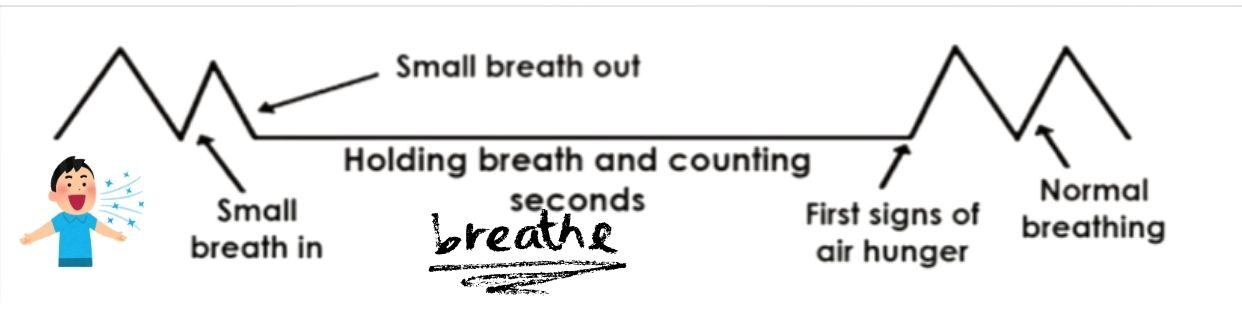
Here’s what your BOLT score can reveal:
- Above 40 seconds: This is an excellent level of lung function, typically observed in serious athletes.
- 30-40 seconds: This range is common and healthy for a recreational runner.
- 20-30 seconds: While there’s room for improvement, this is an acceptable starting point for beginners.
- Below 20 seconds: If your score falls here, you likely experience excessive breathlessness during activity and stand to benefit significantly from targeted breathing tips and exercises.
Why Am I So Breathless? Understanding Common Running Hurdles
Even with good underlying lung function, breathlessness can persist. Here are some of the most common reasons runners encounter this challenge:
- Pacing Problems: A very frequent issue, especially for new runners (and sometimes even experienced ones), is starting a run too quickly. This immediate spike in effort rapidly increases your oxygen demand.
- Shallow Breathing Habits: Many individuals tend to breathe primarily with the upper chest, which prevents them from utilizing the full capacity of their lungs. Your lungs are shaped like teardrops, with the largest concentration of air sacs at the bottom. Therefore, deep, diaphragmatic breathing—expanding your stomach and lower rib cage—is paramount for efficient oxygen delivery throughout your body. Additionally, making a conscious effort to inhale through your nose and exhale through your mouth can help direct oxygen more effectively to the lower lobes of your lungs.
- Respiratory Muscle Fatigue: Just like any other muscle group in your body, your respiratory muscles (primarily the diaphragm and the muscles around your rib cage) can experience fatigue. When these essential breathing muscles become tired, your breaths naturally become shallower and less effective, leading to reduced oxygen intake, particularly after intense exercise. New runners should recognize that building strength and endurance in these specific muscles takes time and consistent effort.
- Unfamiliarity with Exercise: If running is a relatively new activity for you, your body will inherently work harder as it adapts to the new movement patterns and physical demands. As a runner myself, I’ve observed that when I’ve taken up a new sport like swimming, initial struggles with breath management quickly improved within a couple of weeks as I became more relaxed and comfortable with the motion. This personal experience underscores the body’s natural adaptation process.
Practical Breathing Techniques to Elevate Your Runs
Ready to transform your breathing and make your runs feel more effortless? Incorporate these proven exercises into your training routine:
- Deep Belly Breathing: This fundamental technique is the cornerstone of truly efficient breathing.
- Practice: Begin by sitting comfortably. As you inhale, consciously focus on expanding your stomach and the lower part of your rib cage, rather than simply lifting your chest. Visualize your diaphragm pulling air deep into your lungs.
- Transition: Once you feel comfortable and natural with this technique while seated, gradually practice it while walking, and then seamlessly integrate it into your runs.
- The Pump Method (for Diaphragm Strengthening): This exercise is specifically designed to build the strength of your diaphragm.
- Perform a relaxed, passive exhale.
- Immediately follow this with a strong, sharp, and short inhale, ensuring that the movement originates distinctly from your stomach area.
- Repeat this sequence 10-15 times, twice daily. Consistency is key for muscle development.
- Resistance Devices (Advanced Option): For those engaged in more serious or competitive training, specialized devices are available that offer resistance during both inhalation and exhalation. While these can be beneficial, it’s highly recommended that you first master the fundamental belly breathing and pump methods to establish a solid foundation.
Patience and Persistence Lead to Progress
It’s important to remember that developing stronger respiratory muscles and allowing your body to fully adapt to the demands of running is a gradual process. The insights from the experts suggest that regardless of your initial BOLT score, consistently applying these breathing tips and techniques can significantly enhance your breathing and overall lung capacity. Dedicate a few minutes each day to these practices, and you’ll soon experience more comfortable, efficient, and enjoyable runs. Your commitment to improving your breathing is a commitment to unlocking your full running potential.
This guide is for educational and informational purposes only and is not a substitute for professional medical or health advice, examination, diagnosis, or treatment. Always seek the advice of a qualified healthcare professional, such as your physician or a physical therapist, before starting any new fitness program or making changes to your current routine. If you experience any sharp or persistent pain, stop exercising immediately and consult a medical professional. The author and publisher are not responsible for any injuries or health issues that may result from following the advice provided in this guide.
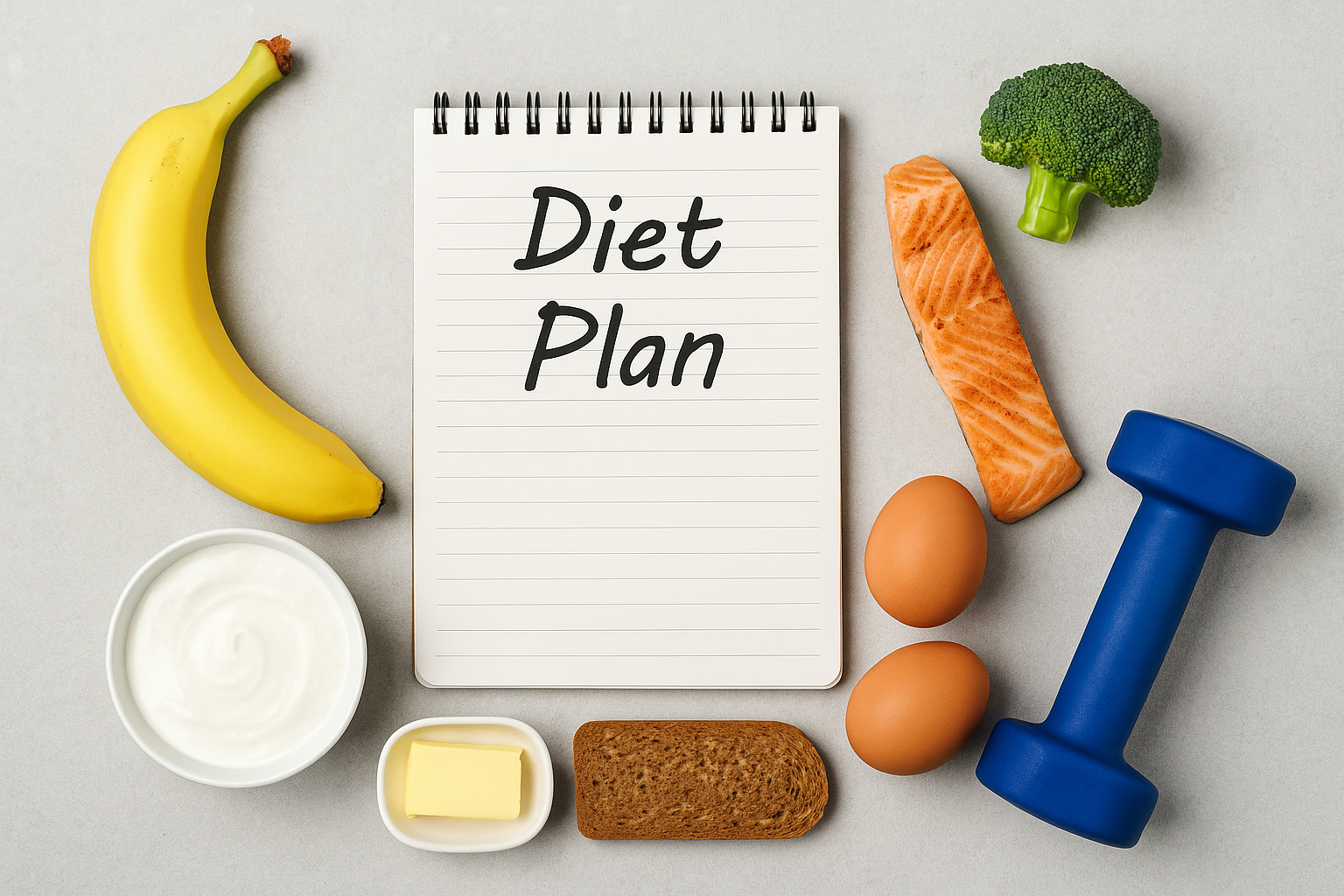
How to Build the Perfect Diet Routine
Creating an effective diet plan that aligns with your goals—whether it’s fat loss, muscle gain, or simply maintaining good health—requires thoughtful planning and consistent execution. I’ve gone through my own trial and error over the years, and now I’m here to walk you through a step-by-step guide that helped me build a sustainable, results-driven nutrition routine.
1. Clearly Define Your Goal
Start by identifying your primary objective. Your diet strategy will depend heavily on this.
Fat Loss (Cutting): Create a calorie deficit of approximately 15–20% below your daily maintenance level. This allows for steady fat loss while minimizing muscle breakdown.
Muscle Gain (Lean Bulking): Aim for a moderate calorie surplus—typically 5–10% above your maintenance calories. This supports muscle growth while keeping fat gain under control.
General Health and Maintenance: Focus on meeting your maintenance calorie needs to support daily activity, metabolism, and overall well-being.
2. Calculate Your Maintenance Calories
To establish your calorie baseline, I used the Mifflin–St Jeor formula. You can easily find calculators online where you input your age, weight, height, and activity level.
Track your weight and energy for a couple of weeks. If you’re gaining or losing weight too fast, adjust your intake by 100–200 calories.
3. Set Your Caloric Targets
Here’s how I calculated my own:
Cutting Example:
- Maintenance = 2,500 kcal
- Target = ~2,000 kcal (20% deficit)
- Bulking Example:
- Maintenance = 2,500 kcal
- Target = ~2,750 kcal (10% surplus)
4. Prioritize Protein Intake
Protein is your best friend whether you’re leaning out or building mass. Aim for:
1.5–2 grams per kilogram of body weight per day
If you weigh 70 kg, that’s 105–140 grams daily.
Top protein sources I include regularly:
- Chicken breast
- Fish and seafood
- Lean beef or turkey
- Eggs and Greek yogurt
- Tofu, tempeh, legumes
5. Balance the Macronutrients
After setting your protein, the rest of your calories should come from healthy fats and carbs:
Fats: 25–30% of total calories (olive oil, nuts, seeds, avocados, fatty fish)
Carbohydrates: Fill the rest with complex carbs (whole grains, vegetables, fruits, legumes)
Example for a 2,000 kcal fat-loss plan:
| Macronutrient | Grams/Day | Calories |
|---|---|---|
| Protein | 140g | 560 kcal |
| Fats | 67g | 603 kcal |
| Carbohydrates | 210g | ~840 kcal |
6. Plan Nutrient Timing Strategically
This was a game-changer for me:
- Pre-Workout: Carbs + moderate protein (banana + peanut butter + whey)
- Post-Workout: Fast-digesting carbs + protein (protein shake + white rice + tuna)
- Throughout the day: Keep meals evenly spaced to maintain energy
7. Stay Hydrated and Focus on Micronutrients
Water matters more than you think! I drink about 2.5 to 3 liters daily.
Make sure your meals are colorful—add a variety of fruits and veggies for optimal vitamin and mineral intake.
8. Track Your Progress and Adjust Accordingly
Progress isn’t always linear. I use:
- Weekly weigh-ins
- Progress photos
- How I feel during workouts
If stalled:
- Fat loss? Drop 100–200 kcal
- Muscle gain? Add 100–200 kcal
9. Be Flexible and Focus on Sustainability
This one’s personal: I used to chase perfection, and it burned me out.
Now I enjoy a “flex meal” once a week—pizza night, anyone? As long as I stay consistent the rest of the week, I’m making progress.
10. Use Supplements Wisely (Optional)
Supplements are there to supplement, not replace meals. My go-to’s:
- Whey protein (when I’m short on time)
- Multivitamin (to fill in gaps)
- Omega-3s (for heart and brain health)
- Creatine monohydrate (for muscle and strength)
11. Sample Meal Plan: 2,000 kcal Fat-Loss Diet
| Meal | Foods Included |
| Breakfast | Oats cooked with milk, 1 banana, 2 whole eggs |
| Snack | Greek yogurt with mixed berries |
| Lunch | Grilled chicken, quinoa, steamed mixed vegetables |
| Pre-Workout | 1 piece of fruit and a protein shake |
| Post-Workout | Protein shake with cooked white rice and tuna |
| Dinner | Baked salmon, roasted sweet potato, green salad |
| Evening Snack | Cottage cheese or a small handful of nuts |
Final Takeaways
Know your goal and align your intake accordingly.
Hit your protein, balance fats and carbs.
Track everything, and tweak when needed.
Stay consistent—not perfect.
I’ve learned that it’s not about extreme restriction or trendy diets. It’s about creating something you can stick to, enjoy, and grow with.
Stick with it, stay honest with yourself, and let your results speak over time. This perfect diet routine isn’t just a plan—it’s a lifestyle shift you’ll thank yourself for later.
This guide is for educational and informational purposes only and is not a substitute for professional medical or health advice, examination, diagnosis, or treatment. Always seek the advice of a qualified healthcare professional, such as your physician or a physical therapist, before starting any new fitness program or making changes to your current routine. If you experience any sharp or persistent pain, stop exercising immediately and consult a medical professional. The author and publisher are not responsible for any injuries or health issues that may result from following the advice provided in this guide.
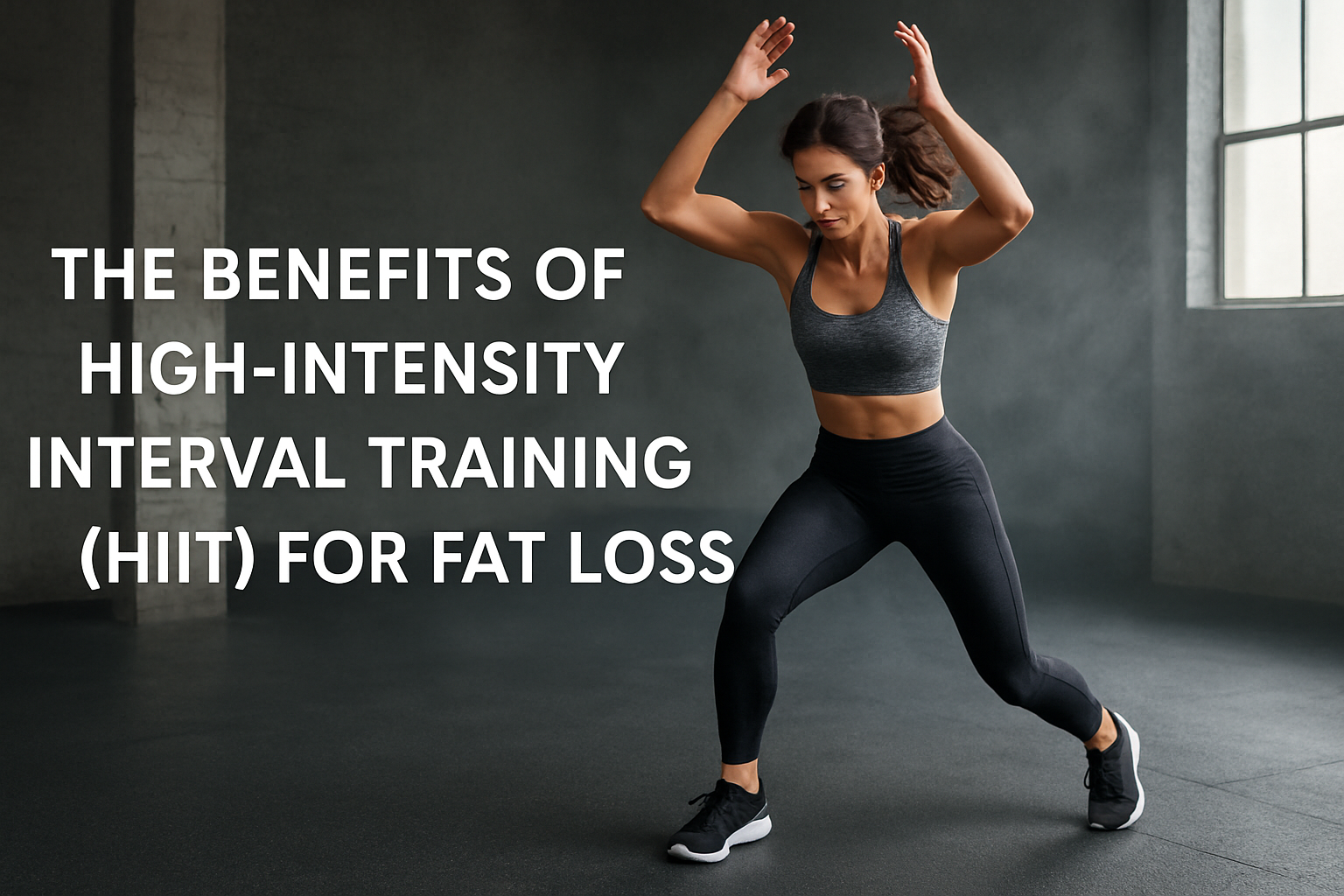
The Benefits of High-Intensity Interval Training (HIIT) for Fat Loss
I’ll never forget the day I discovered High-Intensity Interval Training—or as most people call it, HIIT. I was stuck in a rut with my workouts, doing long cardio sessions that left me feeling exhausted but not really seeing the results I wanted. Then, I came across a short 20-minute HIIT workout on a fitness blog. It sounded intense, but I gave it a try. Let me tell you—by the end of it, I was drenched in sweat, breathing hard, and somehow feeling energized. That was my first clue that HIIT was something special.
If you’re looking to shed body fat, save time, and still get in a killer workout, HIIT might just be the answer. In this article, I’ll walk you through what makes HIIT so effective for fat loss, how it works, and how you can start incorporating it into your own routine—no gym required.
What is HIIT?
HIIT stands for High-Intensity Interval Training. It’s a training style that alternates between short, intense bursts of activity and brief periods of rest or lower-intensity exercise. For example, 30 seconds of sprinting followed by 30 seconds of walking, repeated for 15–20 minutes.
What’s awesome about HIIT is that it’s flexible. You can do it with bodyweight exercises, sprints, cycling, jump rope, or even swimming. The key is going all out during the work intervals.
How HIIT Helped Me with Fat Loss
I’ve found that high-intensity interval training (HIIT) can be a powerful tool for fat loss. In fact, several studies support this. One review, which looked at 13 studies involving 424 adults with overweight or obesity, found that both HIIT and traditional moderate-intensity exercise effectively reduced body fat and waist circumference.
What’s even more encouraging is that many other studies show HIIT can lead to fat loss even with a relatively short time commitment. For someone with a busy schedule, that’s a huge plus.
That said, like any form of exercise, HIIT tends to be especially effective for people who are overweight or obese. So while it’s not a magic fix, it can definitely be a valuable part of a fat-loss journey when combined with a balanced lifestyle.
Why HIIT is Effective for Fat Loss
When I switched to HIIT, one of the first things I noticed was how much more efficient my workouts became. Here’s why HIIT is so powerful for burning fat:
1. Burns More Calories in Less Time
Because of the intensity, HIIT burns a high number of calories in a short period. Studies have shown that HIIT can burn 25–30% more calories than other forms of exercise, like steady-state cardio.
2. Afterburn Effect (EPOC)
HIIT boosts your metabolism long after your workout is over through a process called Excess Post-exercise Oxygen Consumption (EPOC). This means you keep burning calories even when you’re done exercising. That’s like getting bonus fat-burning time while you’re resting!
3. Targets Stubborn Fat
HIIT has been shown to be particularly effective at reducing visceral fat—the dangerous fat stored around your organs. That’s the kind of fat we all want to get rid of.
4. Preserves Muscle Mass
Unlike long cardio sessions, HIIT helps retain lean muscle mass while targeting fat. For me, this meant I was getting leaner and stronger, without looking “skinny-fat.”
5. Time-Efficient
One of the best parts? You can get amazing results in just 20–30 minutes. This was a game-changer for me because I didn’t have hours to spend at the gym. Even on my busiest days, I could squeeze in a HIIT session.
A Sample HIIT Workout for Fat Loss
Here’s a simple bodyweight HIIT routine I started with. No equipment needed, just your determination.
Perform each exercise for 40 seconds, rest for 20 seconds between moves. Complete the circuit 3–4 times.
- Jump Squats
- Push-Ups
- Mountain Climbers
- Jump Lunges
- Plank to Push-Up
You’ll be winded by the end, but in the best way. Feel free to adjust the work/rest ratio depending on your fitness level.
Tips for Success with HIIT
1. Warm Up First
Always take 5 minutes to warm up—jumping jacks, high knees, arm circles. Your body needs it to prevent injury and perform at its best.
2. Focus on Form
Go hard, but never sacrifice form. It’s better to slow down than risk injury.
3. Stay Consistent
Start with 2–3 sessions per week and build up. Your body needs recovery time, so don’t overdo it.
4. Pair with a Good Diet
No amount of HIIT can outwork a poor diet. Focus on whole foods, lean proteins, and healthy fats.
Final Thoughts
HIIT changed how I viewed fitness. It helped me break through plateaus, drop stubborn fat, and actually enjoy my workouts again. If you’re tired of long, boring cardio and want to feel the burn in less time, give HIIT a shot.
Remember—it’s not about how long you train, but how hard you train. A few minutes of all-out effort can be more powerful than an hour of half-hearted movement.
So if you’re ready to torch fat, save time, and feel strong, HIIT might just be your new best friend. Trust me—it works.
This guide is for educational and informational purposes only and is not a substitute for professional medical or health advice, examination, diagnosis, or treatment. Always seek the advice of a qualified healthcare professional, such as your physician or a physical therapist, before starting any new fitness program or making changes to your current routine. If you experience any sharp or persistent pain, stop exercising immediately and consult a medical professional. The author and publisher are not responsible for any injuries or health issues that may result from following the advice provided in this guide.
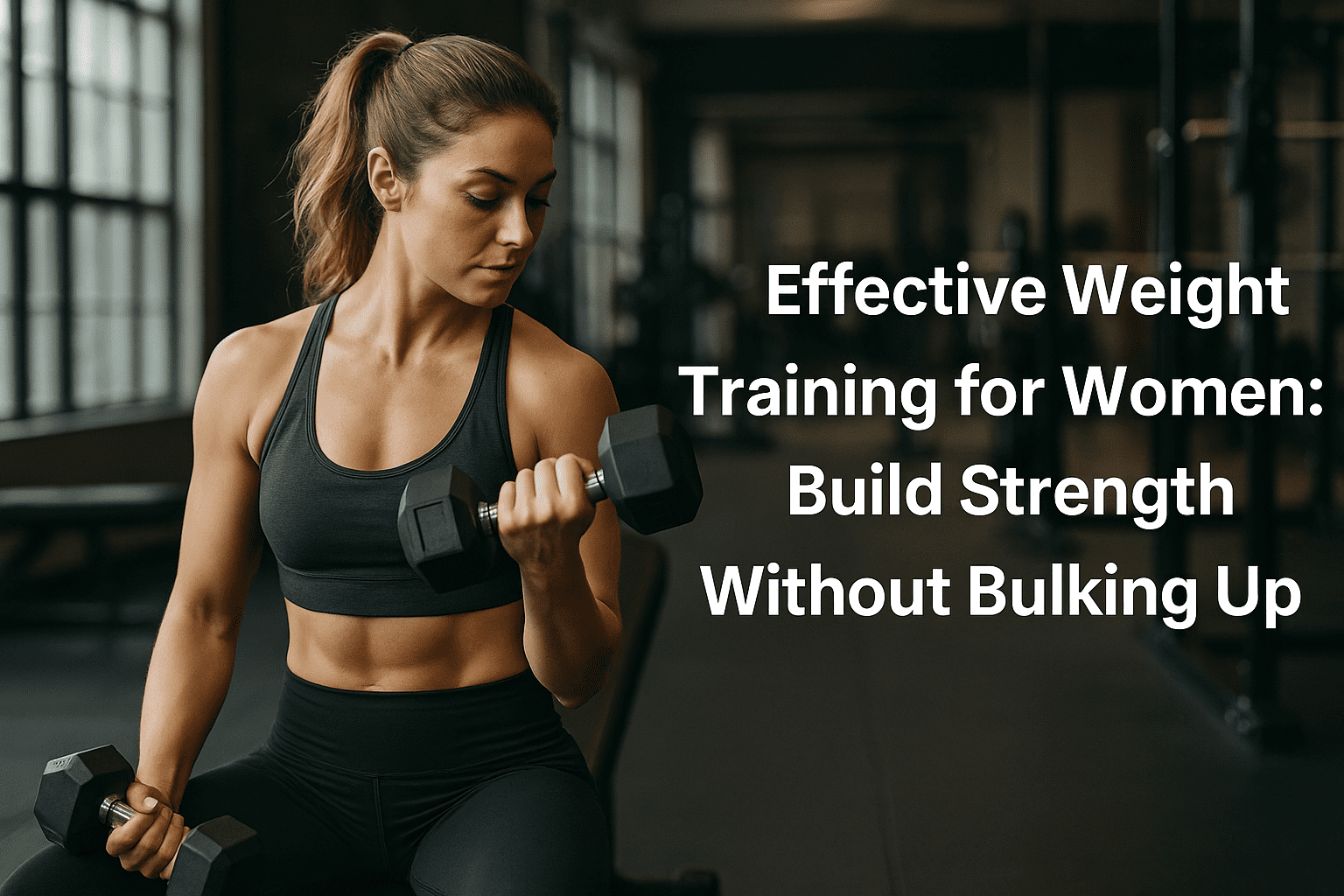
Effective Weight Training for Women: Build Strength Without Bulking Up
I used to think that picking up weights would make me look bulky or too muscular. It wasn’t until I actually gave it a try that I realized how wrong that belief was. If you’re someone who’s been hesitant about lifting weights, thinking it might change your body in ways you don’t want—I get it. But the truth is, weight training for women is one of the best things you can do for your body, mind, and overall health.
In this guide, I’ll walk you through why weight training won’t make you bulky, how it actually helps you get leaner, and share a simple but effective routine to get you started.
Why Weight Training Won’t Make You Bulky
Here’s something important: women generally don’t have enough testosterone to build huge, bulky muscles. What happens instead is your muscles become more defined and your body becomes tighter and leaner. If you see those sculpted arms and flat stomachs on fitness influencers, chances are, they lift weights.
In fact, the more muscle you have, the more calories your body burns even at rest. That means lifting weights helps burn fat in the long run.
Key Benefits of Weight Training for Women
- Tones and Defines Muscles: You’ll notice firmer arms, thighs, and abs.
- Boosts Metabolism: Helps you burn more calories, even when you’re not working out.
- Improves Bone Health: Reduces risk of osteoporosis by increasing bone density.
- Enhances Confidence: You feel stronger, both mentally and physically.
- Supports Joint Health: Strengthens the muscles around your joints, reducing injury risk.
Getting Started: Beginner-Friendly Weight Training Routine
You don’t need to jump into heavy lifting right away. Here’s a simple full-body routine I followed when I was just starting out. You can use dumbbells or resistance bands, whichever feels better.
Day 1: Upper Body (2 sets x 12 reps)
- Dumbbell Chest Press
- Bent-over Dumbbell Row
- Shoulder Press
- Bicep Curl
- Triceps Kickback
Day 2: Lower Body (2-3 sets x 12 reps)
- Bodyweight or Dumbbell Squats
- Glute Bridges
- Step-ups (use a stable chair or bench)
- Dumbbell Deadlifts
- Calf Raises
Day 3: Core + Conditioning (Circuit Style)
- Plank (hold for 30 sec)
- Russian Twists (20 reps)
- Bicycle Crunches (20 reps)
- Mountain Climbers (30 sec)
- Jumping Jacks (1 min)
- Rest 30-60 seconds between sets. Try to do this routine 3-4 times a week.
Tips for Success
- Focus on form first: It’s better to lift lighter weights with good form than heavy weights incorrectly.
- Progress slowly: Gradually increase your weight or reps as you feel stronger.
- Don’t skip rest days: Your muscles need time to recover.
- Stay consistent: The changes will come, even if slowly. Just keep showing up.
Final Thoughts
Lifting weights has completely changed my perspective on fitness. I feel stronger, healthier, and more confident than ever. Weight training for women isn’t about getting huge—it’s about empowering yourself through strength.
You don’t have to be a gym rat or lift like a bodybuilder. Just start small, be consistent, and enjoy the transformation. So, grab those dumbbells, tune into your favorite playlist, and take the first step toward becoming the strongest version of yourself.
You’ve got this!
This guide is for educational and informational purposes only and is not a substitute for professional medical or health advice, examination, diagnosis, or treatment. Always seek the advice of a qualified healthcare professional, such as your physician or a physical therapist, before starting any new fitness program or making changes to your current routine. If you experience any sharp or persistent pain, stop exercising immediately and consult a medical professional. The author and publisher are not responsible for any injuries or health issues that may result from following the advice provided in this guide.
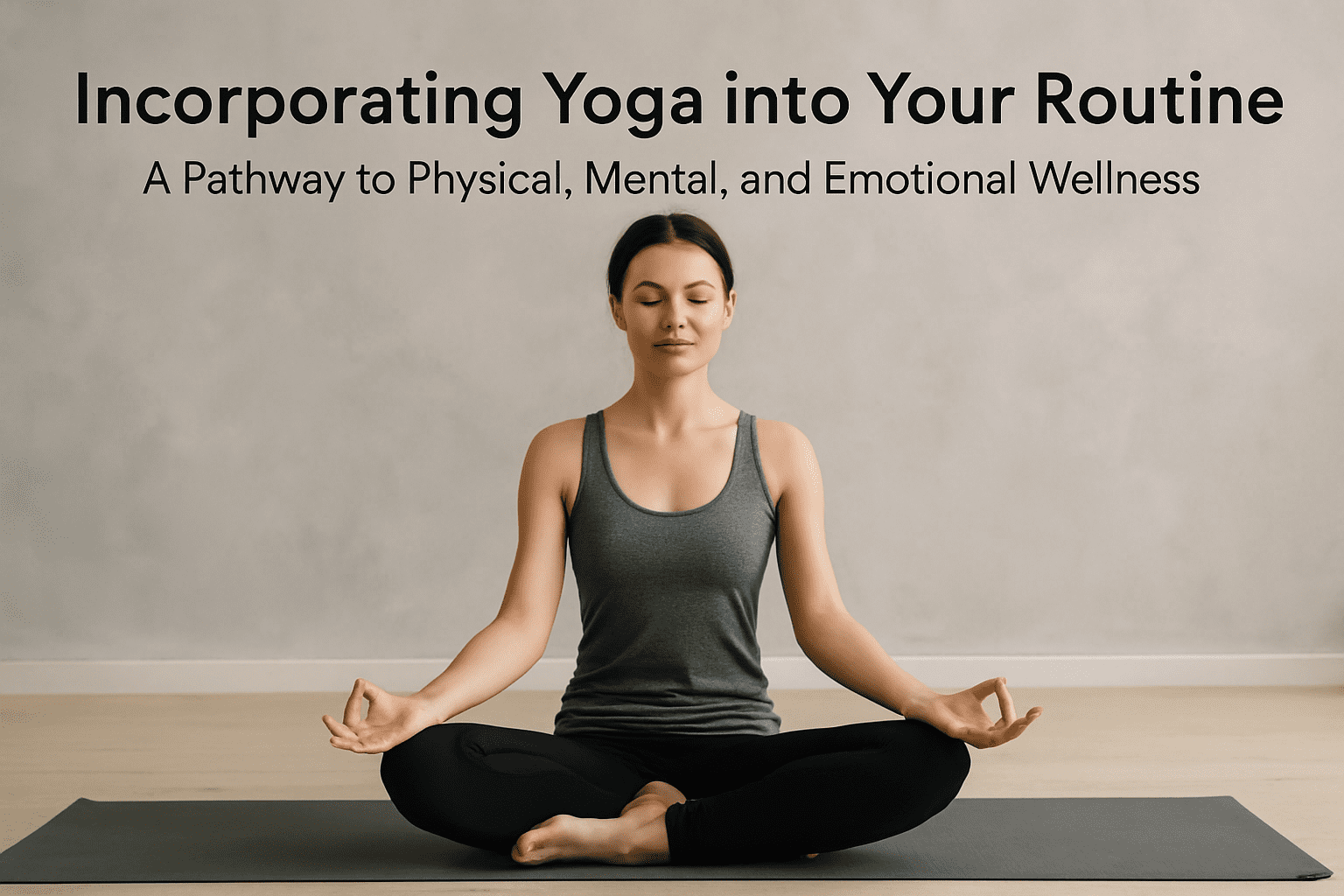
Incorporating Yoga into Your Routine: A Pathway to Physical, Mental, and Emotional Wellness
If you’re like most of us, you’ve probably scrolled through Instagram and seen countless yoga reels that make you think, “I should start doing yoga tomorrow.” It’s easy to get inspired at the moment, but when the next morning comes, that motivation often fades away. Incorporating yoga into your routine doesn’t have to be something you keep putting off—it’s all about making small, manageable changes that fit into your lifestyle. Whether you’re looking to improve flexibility, reduce stress, or just create a sense of calm in your day, yoga can help.
In this article you are going to find out how you could easily weave into your lifestyle the practice of yoga, irrespective of your physical fitness. There are various yoga forms, easy positions for a beginner and how to practice regularly as well. By the end of this article, you will be equipped with the knowledge to start your own yoga practice and reap the rewards both physically and mentally.
The Benefits of Yoga
To begin with, anyone practising yoga may need to know the causes for the increase in the reputation of this field; Yoga is a broad concept that carries a rich perspective of contribution towards the health of the human body, mental well-being and spirituality. Some of the most notable advantages include:
1. Increase flexibility and strength
One of the most acknowledged advantages of practising this activity is that it enhances flexibility. A majority of the yoga positions (asanas) include pulling and lengthening muscles providing joint flexibility and freedom. Lack of flexibility is one of the problems which is easily addressed with regular practice and callers can significantly gain flexibility after a certain period of practice. Yoga actually helps in strengthening the muscles at the same time as well.
2. Better Concentration and Memory
Yoga is a body of work that focuses on the art of watching your thoughts and being conscious of your breathing. It makes you to be focused making you have fewer thoughts interrupting your day-to-day activities. Yoga thus helps bring improvements in cognitive functions, such as clear thinking, concentration of the mind and focus. The other practice is pranayama or partially controlled breathing which also leads to relaxation and a consequent decrease in anxiety. Most people complain of enhanced inner focus and mental clarity after taking a yoga class.
3. Reduction of stress and attaining a balance of emotions
Stress therefore has become a challenge that faces most people given the busy world we live in. Yoga triggers the parasympathetic system, which helps encourage rest and digestion in the body. It also assists in reversing the body’s stress response and can help you feel more relaxed while travelling. There is a discharging of the tension which brings a balanced feeling as well as a lowering of cortisol, the stress hormone, by enacting breathing and meditating during yoga. In general, it may take some time and consistent practice of yoga to help with anxiety, depression or emotional instability.
4. Better Posture and Position
This is an area where people with bad posture could benefit from yoga. Working people who sit at their computers for many hours or people who engage in monotonous activities like sitting or find that practising yoga relieves pressure on the spine and also corrects the way they sit and stand. Specific exercises which help to relieve the impact of sitting are those that stretch the hip flexors, open the chest area, and strengthen back muscles.
5. Better Sleep
Yoga exercise as a routine helps in enhancing the quality of sleep. Meditation, deep breathing typically incorporated in yoga helps to switch the body’s relaxation response thereby improving sleep. Yoga can also tend to reduce and let off the physical stress that has been experienced during the day hence providing a more effective sleeping pattern.
Incorporating Yoga into Your Lifestyle
Since we’ve seen all the advantages of practicing yoga it is now high time we saw how we can manage to make it a part of our everyday routine. So here are some tips for anyone, whether they are first-time or long-term practitioners of yoga to ensure that he or she is consistent with practice.
1. Begin Little by Little
If you are a beginner to yoga, then there is no way you can practice yoga for an extended duration of time. Yoga does not need hours of practice to produce results every other day. The nice thing is that even a 15 to 20-minute session can be productive the first time you start doing it. With increased ease to the poses and sequences, it is possible to increase your practice time to increase the benefits gained. Firstly, it is recommended to exercise with yoga two to three times a week and gradually increase the frequency is accustomed to it.
2. Establish a Regular Schedule for Practice
Yoga needs to be practised more often and in the same manner to build up the exercise regimen. There is nothing as important as having a particular time that is most appropriate, especially for you and sticking to it. Some other individuals would rather carry out a yoga session early in the morning, so they will maintain harmony throughout the day whereas others will prefer to practice yoga at night as a way of decompressing after a busy schedule. However, what is most important is to establish it as one of your habits, which can then provide all the positive consequences.
3. Designate an Area Just for Yoga
If you can do your practice in a special room then you are already creating a structure and an energy. The space doesn’t have to be big, but the best is to be isolated, clean, and sufficient to stretch, breathe, and get up from wherever you find yourself. If possible bring someone else in the room for example use candles, some nice oils or nice music to facilitate your practices. This should help you to condition yourself to link the space with relaxation and the ability to concentrate.
4. Yoga As Part of Your Daily Program
When people consider practicing yoga they don’t necessarily have to think about setting a separate time to practice the art. If you are starting out, you can add pieces of yoga to your everyday schedule. For instance, you can take deep breaths or do some stretching during the lunch hour, while it is boiling, or after waking up. It is established that if you take short sessions of yoga at intervals throughout the day, you will derive all the physical and mental benefits you get from a normal yoga session.
5. Read More About Various Styles of Yoga
Yoga is a broad category of exercise which encompasses a large number of techniques and methods of practice. There are active styles, such as Hatha or Vinyasa that highlight movement and transitions, and more relaxing styles as Yin or Restorative that deal with stretching. Of course, depending on the aims and personal learning you may consider different types of yoga to be most appropriate for you. For instance, if you want to get more intense exercise, you could try Vinyasa or Power Yoga. If you are trying to achieve a state of low intensity and stress-Free or Inversions Yoga might be suitable for you.
6. Either navigate the internet or sign up for classes
Yoga is one of those things that has an almost endless amount of information. it is available for anyone from a complete novice to a highly experienced practitioner. Exercising through videos also gives you instructions about various yoga asanas and diets. Furthermore, even if you prefer to take classes at local studios, there are plenty of those who teach in person or online, you just need to choose a certified instructor. A class setting can help you stay motivated and you will get feedback on your form which is very important in avoiding injury when practicing.
7. Listen to Your Body
The pursuit of the self or discovery of the self is probably one of the core principles of yoga. Never ignore your body signals and go through the exercises as comfortably as you can. Do not try to force yourself into a particular position or stretch that feels unbearable or brings you slight pain. It is not a workout mistake if you cannot do some of the poses perfectly right the first time, the point of yoga is to focus on your breathing and the here and now. As for the particular moves and exercises always remember that if you have a question or doubt, do not hesitate to ask a certified trainer.
8. Breath control – or ‘Pranayama
Pranayama is an elementary practice of yoga. Pranayama or breathing exercises tend to control the energy pathways in the body, settle down the mind, and promote rest. If you are a beginner, even just adding techniques of breathing like Ujjayi breath, which is a slow deep breath, similar to ocean waves, goes a long way. In the long run, pranayama also works to reduce stress and increase concentration during regular activities in your lifetime.
9. Make Yoga a Lifestyle
Yoga is not only focused on the exercise utilized in it; it is a science which teaches one the way to live a better life. To maximize yoga in one’s life, practice the five principles of yoga even after leaving the practice session. This can include feeling grateful, being kind, and: needing no reason to smile. Yoga is not a destination that can be reached, and the further a person is in his/her practice, the less yoga should be only positive council, the more it should be inspiring for life solutions.
Conclusion
Yoga is a great way to get into shape and even protect the body from such diseases, it has an impact on every person physically and mentally. It will not be difficult to make yoga a regular part of your life, especially since starting small, sticking with consistency, and the time factor suggested above. In as much as practising yoga advanced you will realize some impacts on the flexibility, strength, posture, concentration, and health of an individual. Yoga does not necessarily have to be a physical fitness exercise for it to conquer the challenge, what is needed is patience, a willingness to persevere and most importantly, be mindful.
This guide is for educational and informational purposes only and is not a substitute for professional medical or health advice, examination, diagnosis, or treatment. Always seek the advice of a qualified healthcare professional, such as your physician or a physical therapist, before starting any new fitness program or making changes to your current routine. If you experience any sharp or persistent pain, stop exercising immediately and consult a medical professional. The author and publisher are not responsible for any injuries or health issues that may result from following the advice provided in this guide.
How Discipline Leads to Healthy Lifestyle
Have you ever thought about why some people can easily stick with a healthy diet plan while others fail? Discipline is the key factor for their success. Losing weight isn’t just about having the motivation; discipline is the framework that enables you to make good decisions every single day. Discipline also helps put into practice, a nutrition plan, exercise and other practices to do with care of the body. It never feels like a ‘lifestyle change’ when you are in the right mindset, and this can help turn your habits into something more positive.
In this article, you will see how important discipline is on the path to a healthy lifestyle. But let me reveal what these areas are and what discipline is most important within this list We’ll discuss the areas that are necessary in a person’s daily life as a discipline, including the meals and sleep schedule and working out and stress and other things.
Why Discipline is Important to Success
1. Building Self-Confidence
Confidence is thus a prerequisite approach to dealing with life issues and achieving objective. Through self-objectives, there will always be a feeling of accomplishment toward any set goal as you adhere to your set disciplines. This increases your confidence and confidence level and makes you ready to grab more challenges, with the determination that you can do it.
2. Living Actively
Discipline leads to a positive attitude toward life with lots of zest Self-disciplined people have quality personal habits from eating properly to exercising and getting enough sleep which makes them lively in their daily activities. This active way of living also improves physical health improve mental health better which, in turn makes people higher produ,ctive and happier.
3. Having More Time in a Day
Self-discipline ones realize that they have more time than the idlers in society who love to procrastinate. They also need to be organized and focused to walk away with the realization that more could be done in a shorter time. It’s a break from work, or an opportunity to further one’s education, new hobbies or even other jobs making one’s day conducive to personal and professional development.
4. Stress-Free & No Tensions
This way, with self-discipline, you get to make a good plan and you work it down to the letter, leaving no room for confusion or emergencies and such. When you work through all your activities and obligations purposeful, you can minimise that always crowds the angry souls of the slothful and the disorAdoptingadopting this structured approach not only reduces the sources of stress but also enhances self-esteem, denotes better the state of your psychological health.
5. Improving Attention and Concentration
Discipline enhances your capacity to work on matters of interest, and produce good results in the courses that are undertaken. No distractions mean that you can focus well to get more done with efficiency and quality than, if you have distractions adding to your purpose. Not only does this enhance concentration lead to improvement but promotes satisfaction in tasks accomplished as well.
6. Fostering Personal Growth
Discipline helps one to set or attain goals to make him or her a better person always in the process of learning. When setting and working towards goals, one masters new skills as well as increases the pool of information available. I/You can also pave the way for a distinct improved fulfilled rewarding and delivered life since this commitment fosters growth hence ability to handle new challenges as well as grasp opportunities for a better life.
Self-discipline and Health: Two Correlated Concepts
Training and discipline of self are major factors that can greatly enhance the way to proper and healthy living. By cultivating self-discipline, you empower yourself to make and stick to positive choices, including:
Eating Well
Discipline will help you avoid instances where you take more food than required or instances where you take unhealthy foods. This means that you can consciously decide what dish is healthy for you and what quantity of a particular food you should take. It will be much simpler to avoid or shun any forms of temptation and instead go for healthy foods that are good for your body and healthy at the same time.
Exercising Regularly
Incorporation of many routines into a daily regimen becomes much easier when self-discipline is harnessed in the discipline of exercising daily. It keeps you fit and not likely to gain weight, it can increase energy levels and also improve the mood of a human. You will choose from a huge range of physical activities, and thus better have higher chances of finding the most interesting type and sticking to it.
Getting Enough Sleep
Self-discipline helps you set sleeping habits that are healthy and this improves on your sleeping patterns. What a great piece of advice which states that if a person wants to be smart and happy, he or she should surely get enough sleep. Such a restful state prompts people to approach daily tasks more energetically and contributes to one’s healthy development.
Prioritizing Tasks
Time management becomes easier to control and concentrate on the goals that are set by practising self-control. These I find effective for ensuring that tasks that are friendly to your health goals such as cooking in advance if you will be busy or planning where to exercise are accomplished first. It will also be more convenient focusing and minimizing distractions thus creating time for healthy practices.
Setting Goals
Proper self-discipline makes it possible for one to establish constructive behaviors and ensures that one stays with them hence giving you meaning in life. By setting the right, feasible health goals you will be able to observe your improvement and accomplishments. It is a source of satisfaction not only to drive you on but also to remind you of the new life you want to lead.
Building Resilience
Self-discipline is about building skills that enable you to endure failure in case you do not achieve what you aim at. In any adversity, you are in a better position to overcome and remain focused on your healthy lifestyle. This resilience just helps you get more confidence and reminds you that you have the capacity to bring about change in your own life.
8 Strategies for Developing Self-Discipline
1. Set Clear Goals
Set realistic targets as this provides a focus for what needs to be undertaken, where to be achieved and how it will be done. Divide the long-term goals into short-term goals in order to make it less problematic to follow how you are getting on. It also keeps you on track and encouraged knowing that you’ve advanced in some areas of your plan.
2. Develop a Routine
Setting up a regimen for the day can really help improve the way you work for your goals. By assembling a timetable of work hours, exercise and leisure time, you set positive habits into your lifestyle that you do not have to remind yourself about. Routine saves you the time that could otherwise be used making decisions hence you avoid decision fatigue.
3. Avoid Distractions
Find out and avoid anything that interrupts your focus. This could include silencing your phone, going to a place where the noise is not likely to be disturbed, or employing applications that blackout distracting sites. It is easier to stay on track when there are minimized distractions around; thus, having a focused environment is likely to enhance productivity.
4. Remove Temptations
To build up your self-discipline, simply remove those things that trigger your weakness from your environment. For example, if you want to adopt a healthier diet you should take away junk foods from your kitchen. Thus arranging your external environment you minimize the chances of yielding to temptation and failure.
5. Find Motivation
Find out what motivates you to want to get to your goals – could it be to improve your life or get a better body, or be able to fulfil some sort of dream? Out of sight they often lose focus of their goals; hence, keep the memories of the reasons that led them here within their line of sight in the form of a quote or picture. Feeling that you have been surrounded by people who encourage you also increases your motivation.
6. Know Your Weaknesses
Interpolating your mistakes is very important to foster discipline disposition. So, if you know what weak points you have, you will be able to work on how to deal with them in the future. In other words, it helps you make conscious decisions that are in sync with what you want.
7. Reward Yourself
Always, I repeat always, find a way to rejoice and be glad even in the little victories. Positive consequences sustain motivation for learning as well as the quality of behaviour to be delivered. In other words, whether it is a cup of coffee or a video game, rewards as an implementation of success in efforts make the effort rewarding.
8. Do not let setbacks deter you
Just bear in mind that hiccups are just but part and parcel of the process of attaining self-discipline. Do not allow the negativity associated with failure to halt your progress, instead see it as a way forward.
This guide is for educational and informational purposes only and is not a substitute for professional medical or health advice, examination, diagnosis, or treatment. Always seek the advice of a qualified healthcare professional, such as your physician or a physical therapist, before starting any new fitness program or making changes to your current routine. If you experience any sharp or persistent pain, stop exercising immediately and consult a medical professional. The author and publisher are not responsible for any injuries or health issues that may result from following the advice provided in this guide.
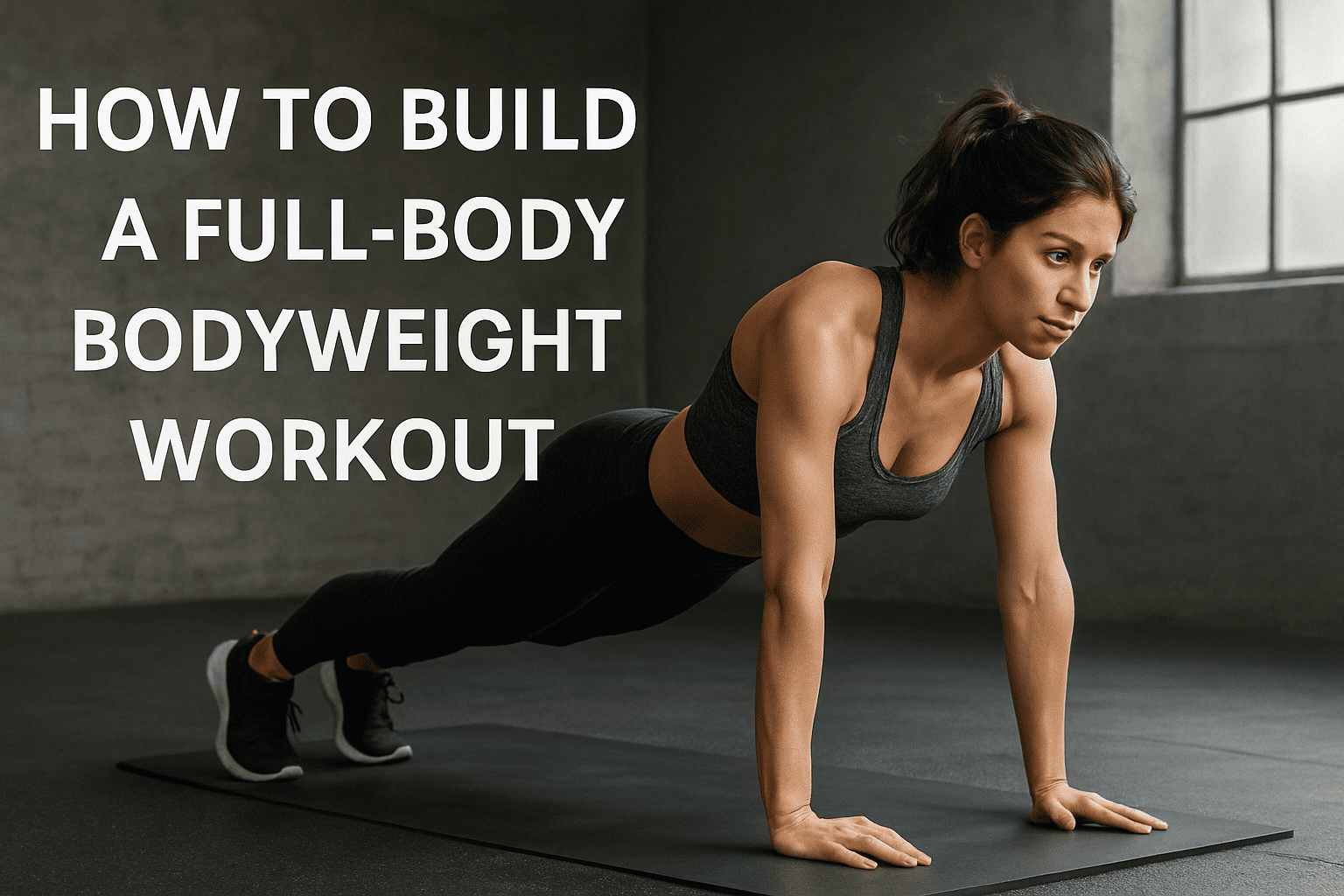
How to Build a Full-Body Workout Using Just Your Bodyweight
I still remember the first time I attempted a full-body bodyweight workout. I had no access to a gym, no dumbbells, and no fancy machines. All I had was a small space in my bedroom, a yoga mat, and the desire to feel strong and move my body. At first, I wasn’t sure what I was doing. I thought bodyweight exercises were just for warm-ups or cool-downs. But once I committed to it, I realized how incredibly powerful and transformative bodyweight training can be.
Whether you’re a beginner or someone looking to break free from the gym, you can absolutely build muscle, burn fat, and increase endurance with nothing more than your body. In this guide, I’ll share how I built my full-body bodyweight workout routine and how you can create one that suits your lifestyle.
Step 1: Understand the Basics of Bodyweight Training
Bodyweight training is all about leveraging your own weight as resistance. No equipment, no machines. It’s efficient, versatile, and effective. The key is to balance your workout by targeting all major muscle groups:
- Chest
- Back
- Core
- Legs
- Arms & Shoulders
The beauty? You can do it all from your living room, a park, or even a hotel room while traveling. All you need is your body and some motivation.
Step 2: Warm-Up Matters
Never skip the warm-up. Trust me, I learned this the hard way when I pulled a muscle jumping straight into squats. Here’s a quick 5-minute warm-up I swear by:
- Jumping jacks – 1 minute
- Arm circles – 30 seconds each direction
- Leg swings – 30 seconds per leg
- Hip circles – 30 seconds
- Bodyweight squats – 10 reps
Your goal is to get your blood flowing and joints loose. Once you’re warm, it’s go-time!
Step 3: My Full-Body Bodyweight Workout Structure
I structure my full-body routine into circuits. Each circuit includes one exercise per muscle group. After finishing one round, I rest for 60 seconds and repeat the entire circuit 3-4 times depending on my energy level.
Circuit 1:
- Push-Ups (Chest, Arms, Core) – 10-15 reps
- Bodyweight Rows (Back) – 10 reps (under a sturdy table or with a towel in a door frame)
- Plank (Core) – Hold for 30-60 seconds
- Bodyweight Squats (Legs) – 15-20 reps
- Shoulder Taps (Arms & Core) – 20 reps (10 each side)
Circuit 2:
- Incline Push-Ups (Elevate hands) – 10 reps
- Superman Lifts (Back) – 15 reps
- Mountain Climbers (Core/Cardio) – 30 seconds
- Lunges (Legs) – 10 reps each leg
- Pike Push-Ups (Shoulders) – 10 reps
Step 4: Focus on Form Over Reps
When I started, I was obsessed with rep counts. I would race through each move just to hit the number. But then I realized it wasn’t about how many, but how well. Proper form ensures you’re targeting the right muscles and reduces the risk of injury.
Go slow. Control your movements. Feel the muscle engage.
Step 5: Stretch and Cool Down
After your circuits, always take time to cool down. I like ending with these stretches:
- Forward fold (hamstrings & lower back)
- Child’s pose (hips & spine)
- Seated twist (spine)
- Shoulder stretch (upper back)
- Neck rolls (tension relief)
This part always feels like a reward. It helps me reconnect with my breath and brings a sense of closure to the workout.
Why I Love Full-Body Bodyweight Workouts
Over time, I noticed some big changes. I got leaner. My stamina improved. My posture became better. I stopped relying on the gym, and I felt strong in my body. And most importantly, I stopped making excuses. Rainy day? Travel? No problem. My body became my gym.
The other great thing? Variety. I can switch exercises, increase reps, add holds or explosive movements like jump squats or burpees to keep it exciting and challenging.
Tips to Keep You Going
- Stay consistent: 3-4 sessions a week is a great start.
- Track your progress: Write down reps, time, how you feel.
- Listen to your body: Rest when needed.
- Fuel your body: Good nutrition supports your goals.
Final Thoughts
Building a full-body bodyweight workout isn’t complicated. It’s about knowing your body, being consistent, and staying motivated. If you’re just starting, keep it simple. Master the basics, and let your body adapt.
Start where you are. Use what you have. Do what you can. I did—and it changed everything.
So roll out your mat, take a deep breath, and get moving. You don’t need a gym. You just need you.
This guide is for educational and informational purposes only and is not a substitute for professional medical or health advice, examination, diagnosis, or treatment. Always seek the advice of a qualified healthcare professional, such as your physician or a physical therapist, before starting any new fitness program or making changes to your current routine. If you experience any sharp or persistent pain, stop exercising immediately and consult a medical professional. The author and publisher are not responsible for any injuries or health issues that may result from following the advice provided in this guide.
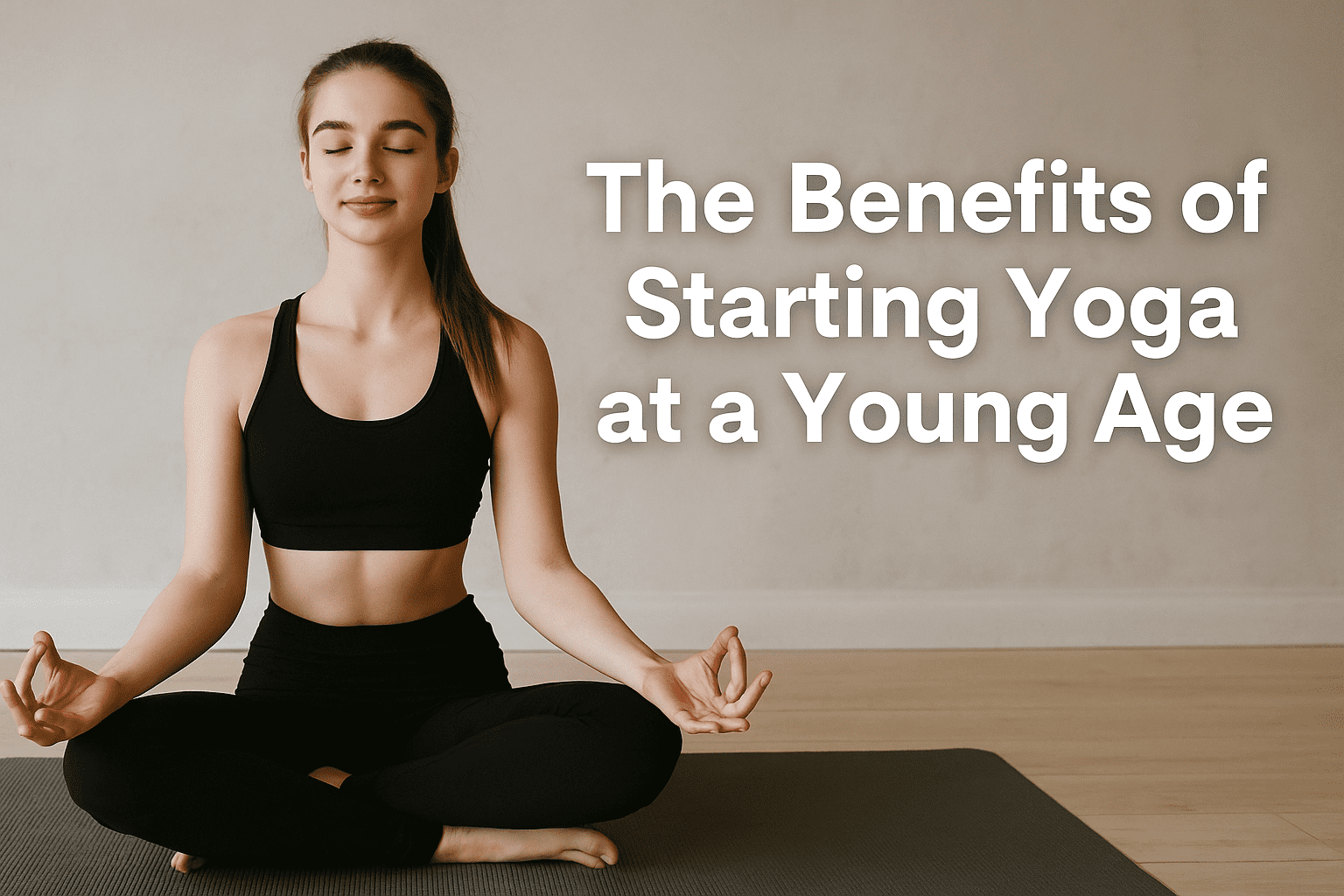
Amazing Benefits of Yoga for Young People
Have you ever asked yourself why everyone loves doing yoga? Yoga doesn’t mean flexibility or complex yoga exercises, yoga is a lifestyle. It is a practice that has immense benefits for health and it becomes more beneficial if someone starts practising from a young age. the sooner you start, the earlier you enjoy better outcomes for your body as well as your brain. From fixing your posture, and enhanced brain function to laying down the beginning of a healthier lifestyle as you age, yoga cannot be underestimated. There is no better time to start than when you are in your teens or twenties. In this article, you will learn how engaging in yoga at a youthful age could change your life for the better and make your body healthier. I will show how practising yoga can improve your flexibility and reduce stress and offer suggestions on how to get a better night’s sleep and create a stronger immune system.
Amazing Benefits of Yoga
Yoga is a basic activity that could cause significant changes in children’s physiologically. It helps in having better body flexibility and strength, and enhanced self-discipline. A child receives many benefits which will be helpful in their future life.
1. Emotional Benefits
By practising yoga, children will learn how to control their emotions to relax and get a hold of themselves. Pranayama is a technique which helps reduce negative emotions such as stress, frustration, and anxiety in children and provides them with the proper treatment to respond to any of these effects. Group practice is useful in improving general self-esteem and confidence since children develop strength essential in mastering new poses and mastering techniques.
2. Physical Benefits
Yoga contributes to flexibility, muscle strength and also body coordination. In particular, through the use of different locations pre-school children increase balance and have better posture. With this, they are well aware of their body posture while in motion and thus may avoid cases of getting injured during exercises.
3. Cognitive Benefits
Yoga helps in improving concentration. Requirements of having to hold poses and do as is being instructed assist the children in improving their attention span and problem-solving abilities. In the same way, through mindfulness, the kids have an opportunity to learn how to do one task at a time, something that enhances their performance at school and nearly every other activity.
4. Social Benefits
Yoga is also a form of social activity in that children are taught how best they can share space. In groups, they learn to be kind, patient and cooperative – essential skills when it comes to interacting with peers.
5. Fine-Motor Benefits
Yoga promotes the development of fine motor because it involves the coordination of hand and eye as well as the use of hands. Postures that involve some delicate movements such as balancing or using hands to maintain stabilities assist children in controlling minor muscular groups. It is useful in writing, eating or dressing among other activities of human beings.
6. Gross-Motor Benefits
Yoga also enhances the children’s gross motor development that major in large body movements. Active positions let the big muscle groups and the small parts of the body develop more strength, flexibility and coordination in children. They are also able to control their body better during activities such as running, jumping, playing soccer etc.
7. Sensory Integration Benefits
Yoga enhances the human sense and feeling to help learners understand sensory information. Dancing and other motor activities as well as specific breathing patterns assist a child in becoming aware of his or her body and surroundings. It increases their capacity to cope adequately with many varieties of stimulation and hence the general awareness is boosted.
8. Social uses of Communication and Language
Yoga enhances children’s speaking and listening, an aspect that is developed by observing pupils’ discipline in a classroom. It also benefits them in the way that they can communicate through hand movements and body posture, and thus leads to better ability in communication.
9. Creative Benefits
Yoga enhances creativity through the following ways when kids are doing yoga, they are required to think without any interruptions. They learn to think better and to make space for new thoughts focusing on the breath and the movement of their body. This gets the mind thinking in and out of the practice and leads to an increase in idea generation.
10. Breathe and Mindfulness: Effects
It is well understood that breathing is the essence of yoga, which is why teaching kids the correct way of breathing is beneficial for learning. Breathing exercises help the children to relax and stay alert at the same time. It also makes them to be fully active during daily activities since they are not fatigued by episodes that they might be experiencing.
How Yoga Helps with Common Challenges Faced by Young People
Today’s youth face unique physical and emotional challenges. Yoga offers practical solutions to deal with these modern issues:
Dealing with Excessive Screen Time
Long hours spent on phones and computers can cause poor posture, eye strain, and neck pain. Yoga counters these effects by realigning the spine, relaxing strained muscles, and improving posture.
Helpful Poses:
- Child’s Pose (relieves tension)
- Cat-Cow Stretch (improves spinal flexibility)
- Seated Forward Bend (releases tight hamstrings)
- Trataka (a candle-gazing exercise for eye relaxation)
Managing Peer Pressure and Body Image Issues
Teens often struggle with appearance and fitting in. Yoga teaches body acceptance and self-love. Mindful movement and breathwork help youth appreciate what their bodies can do, rather than focusing on what they look like.
Yoga also encourages patience, acceptance, and self-belief—helping teens build inner strength and confidence.
Supporting Mental Health
Anxiety, depression, and social isolation are growing concerns among adolescents. Yoga’s calming effects help manage emotions and build emotional resilience.
Helpful Practices:
- Alternate Nostril Breathing (reduces anxiety)
- Legs-Up-The-Wall Pose (soothes the nervous system)
- Yoga Nidra (a guided deep relaxation that supports mental clarity and better sleep)
- Yoga empowers teens to focus on the present moment, let go of negative thoughts, and reconnect with themselves.
Conclusion: Why Start Yoga Young?
Starting yoga early in life isn’t about doing perfect poses—it’s about creating a solid foundation for physical health, emotional well-being, and personal growth. Whether it’s dealing with school stress, social anxiety, or just staying healthy, yoga gives young people the tools they need to thrive.
You don’t need to be flexible or experienced to begin. All you need is a mat, an open mind, and the willingness to start. The sooner you incorporate yoga into your life, the greater the benefits you’ll experience over time.
So take a deep breath, roll out your mat, and begin the journey. Your body, mind, and future self will thank you.
This guide is for educational and informational purposes only and is not a substitute for professional medical or health advice, examination, diagnosis, or treatment. Always seek the advice of a qualified healthcare professional, such as your physician or a physical therapist, before starting any new fitness program or making changes to your current routine. If you experience any sharp or persistent pain, stop exercising immediately and consult a medical professional. The author and publisher are not responsible for any injuries or health issues that may result from following the advice provided in this guide.
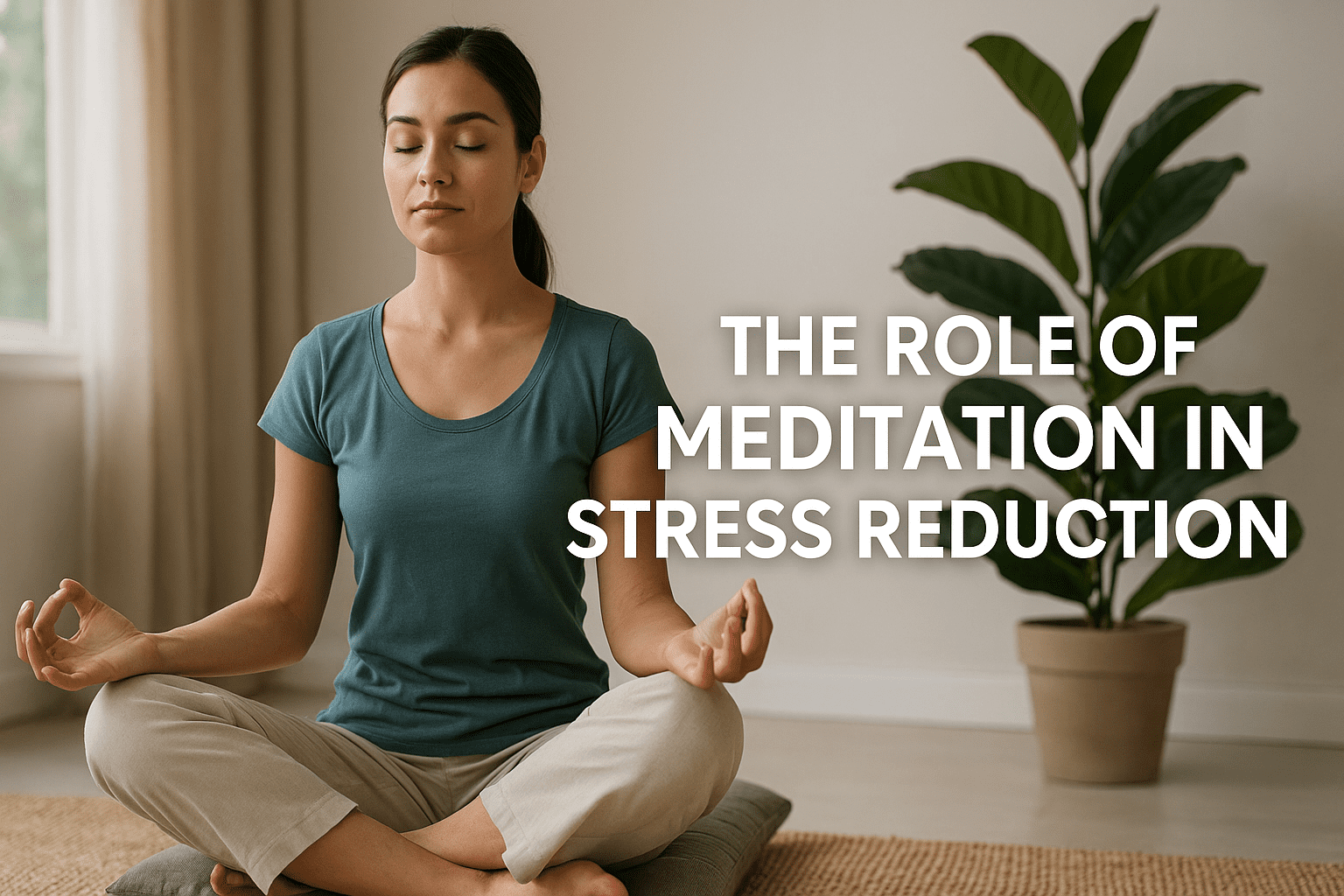
The Role of Meditation in Stress Reduction
Have you ever felt like your mind just won’t slow down—like you’re constantly running on autopilot, juggling a hundred thoughts at once? In today’s fast-paced world, stress has become almost like a second nature to most of us. Whether it’s work pressure, personal issues, or just the never-ending to-do list, we’re all carrying a heavy mental load. But what if there was a simple, natural way to ease that tension?
That’s where meditation comes in. It’s not just about sitting quietly with your eyes closed—it’s a powerful tool that can help calm your mind, reduce stress, and improve your overall well-being. In this article, we’ll explore what meditation really is, the benefits it brings, and how it can play a vital role in reducing stress. If you’ve been looking for a way to feel a little more at peace, you’re in the right place.
What is Meditation?
Meditation is a process through which an individual skillfully directs his or her attention towards the object or is in a position to realize clear comprehension. It includes mindfulness, concentration, and visualization, among other skills that assist in getting focused and fully involved in real-time experiences.
The essence of meditation is watching your thoughts and emotions without making any value judgment, which can lead to gaining a better understanding of what is going on in one’s head. This practice has been employed by man for thousands of years regardless of their cultures and religious beliefs including Hindus, Buddhists and the Taoists.
Benefits of Meditation
- Stress Reduction: Daily meditation usually helps in the reduction of stress, as it slows down the heart rate and lowers hormone stress such as cortisol.
- Improved Focus and Concentration: Many people meditate to train the mind to maintain attention and improve their cognitive abilities to improve their focus in their daily work.
- Emotional Wellbeing: It aids with the control of emotions, users dealing with such disorders as anxiety and depression benefit because it encourages the thought process that is positive and embraces oneself.
- Enhanced Self-Awareness: Meditation may help individuals gain better insights into their thoughts and on the pattern of action that they undertake and therefore improve decision-making.
6 Ways How Meditation Reduces Stress
Stress is something most of us experience daily due to the growing demands in our ever-busy and complex societies. Fortunately, because of meditation, there is a way to control and overcome stress and lead a healthier and more balanced life. Here’s how meditation can help lower stress and improve overall well-being:
1. Promotes Deep Relaxation
Meditation helps put the body in a state of rest that is most effective in fighting off the effects of stress hormones. Meditation facilitates shifting from a fighting or fleeing response and prepares the body for a stressful encounter (Sympathetic Nervous system) to a state of relaxation (Parasympathetic Nervous system) thus leading to the establishment of calmness as marked by reduced heart rate, lowered blood pressure and relaxed muscles.
2. Lowers Stress Hormones
Journal articles reveal that many forms of meditation will reduce the secretion of stress hormones, especially cortisol. High cortisol is related to such conditions as anxiety, depression, or cardiovascular health. Thus, cortisol is minimized by meditation, and all the adverse impacts are eliminated, allowing an individual to be emotionally balanced and calm.
3. Improves Emotional Regulation
Meditation helps people to become more aware of feelings and emotions and helps resolve and cope with stress in healthier manners. Calmness and control over feelings of anxiety, frustration or overwhelm becomes natural the more we engage in the practice of emotional intellect. It also provides the capacity to handle stress with a reasonable outlook, which is the summary of emotional health improvement.
4. Improves attention span
Daily meditation routines make the mind clear to focus and increase the level of concentration. That just clears the mind and helps approach tasks without being overwhelmed by them. One physical benefit of clear and focused thinking is increased efficiency which, eradicates strain as we are capable of handling tasks within our docket effectively.
5. Builds Resilience
Meditation helps us to become more psychologically protected by enhancing positive attitudes and regulating feelings. As time goes on, we learn to reinforce really unhealthy ways of dealing with stress and replace them with something more healthy. This resilience does not only serve as a way of coping with stress now, but it also will shape how we will cope with new stress in the future.
6. Promote a healthy lifestyle.
Meditation also makes us incline to be more healthy and this forces us to practice healthy lifestyles. As we grow aware of signs of stress, we might begin practising better diets, exercising and sleeping which are determinants for a decrease of stress.
Starting up with Meditation
- Start Small: Start with 5-10 minutes of meditation daily and then extend the period as you get comfortable with meditation.
- Create a Calm Environment: Choose a location where there are no disturbances or anything that may take your attention most likely you will be seated.
- Focus on Your Breath: Breath is also a helpful signal to return your focus back on track when it gets distracted during the tchnique.
- Be Patient: Do not forget that meditation is a skill that requires time and do not pressure yourself while in the process.
- Explore Different Techniques: Meditation comes in many forms so experimenting is key to discovering the most ideal type for you.
Conclusion
Meditation isn’t some magical solution that fixes everything overnight—but it’s definitely a step in the right direction. With just a few minutes a day, you can start noticing a difference in how you handle stress, emotions, and even your thoughts. Life is already hectic, so why not give yourself a little peace in the chaos? Start small, be patient, and stay consistent. Your mind deserves that care. And who knows? Over time, this simple habit might just change the way you live your life—calmer, clearer, and more in control. So take a deep breath, close your eyes, and let the stress melt away. You’ve got this.
FAQ: Meditation for Stress Reduction
Q: How long should I meditate to reduce stress?
A: Even 5–10 minutes of daily meditation can make a noticeable difference in managing stress.
Q: What type of meditation is best for beginners?
A: Mindfulness meditation and focused breathing are great starting points for beginners.
Q: Can meditation replace therapy or medication?
A: Meditation is a supportive practice, not a replacement. It can complement professional mental health care.
This guide is for educational and informational purposes only and is not a substitute for professional medical or health advice, examination, diagnosis, or treatment. Always seek the advice of a qualified healthcare professional, such as your physician or a physical therapist, before starting any new fitness program or making changes to your current routine. If you experience any sharp or persistent pain, stop exercising immediately and consult a medical professional. The author and publisher are not responsible for any injuries or health issues that may result from following the advice provided in this guide.
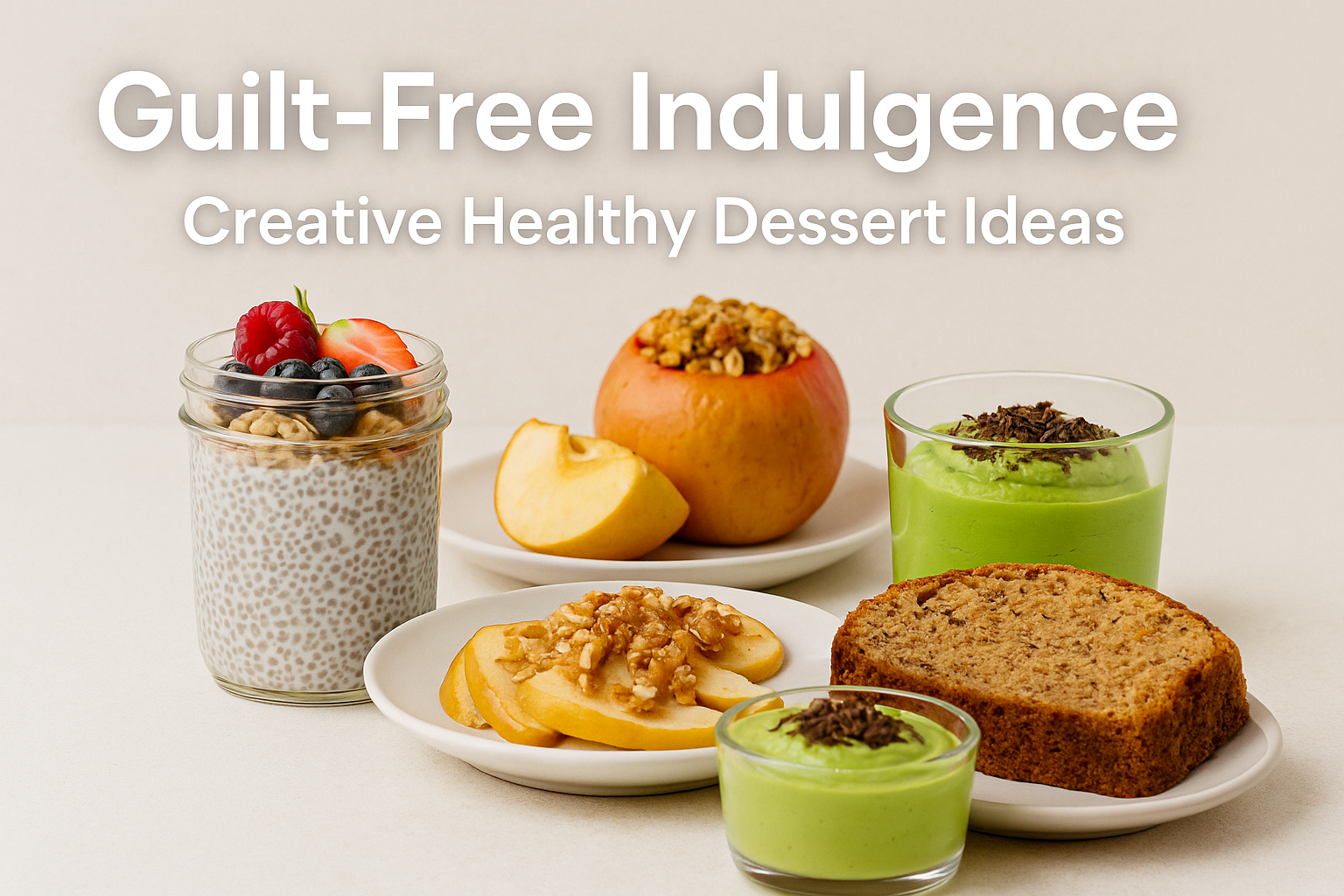
Guilt-Free Indulgence: Delicious and Easy Healthy Dessert Ideas
Are you torn between your sweet cravings and your health goals? You’re not alone! The good news is, you don’t have to give up dessert to stay healthy. With the right ingredients, healthy dessert ideas can satisfy your sweet tooth without derailing your wellness journey. Think creamy avocado mousse, warm baked apples, and chia pudding topped with fruit — all delicious, wholesome, and easy to prepare. These guilt-free treats use natural ingredients like fruits, nuts, and whole grains to create desserts that are both nourishing and indulgent.
Read this article and learn about some interesting healthy dessert recipes which are easy to prepare and have a delicious taste. It will feature recipes with superfoods, natural sugar substitutes as well as big fillings and substances to meals.
Benefits of Healthy Desserts
Healthy desserts are nutritional and can help you improve the quality of your life in many ways, for instance, by supporting your digestion. First and foremost they may contain essential vitamins and minerals, antioxidants, dietary fibre, and other nutrients of pharmacological activity. All these elements such as fruits, nuts, and dark chocolate serve the function of sweetening your palate while at the same time are wholesome. Also, what constitutes a healthy dessert usually contains fibre-rich ingredients such as chia seeds, oatmeal which helps in improving digestion and whole grains that pack satiating properties.
Beyond physical well-being, healthy desserts can be important for one’s emotions. You get happy and content when you are eating something sweet because the body releases the dopamine hormone. They can also alleviate stress; some types of sugar will also reduce cortisol levels – a stress hormone. Contrary to logic, having a moderately sweet dessert at the beginning of the meal can work wonders beautifying the meals ahead, and the possibility of controlling calorie intake for slimming purposes comes as a delightful addition.
Healthy Dessert Alternatives
Here are some delicious healthy dessert alternatives, complete with recipes to satisfy your sweet cravings without the guilt:
1. Chia Pudding
This treat is made by rinsing chia seeds and pouring milk or non-dairy milk over it which forms a similar texture to the pudding. Packed full of fibre, protein and healthy fats, chia pudding can be served with sliced fruits, nuts or honey to make it a healthy snack or dessert.
Ingredients:
- 1/4 cup chia seeds
- 250 ml milk (or an equivalent vegan milk).
- 1-2 tablespoons, of honey or maple syrup (to taste)
- 1/2 teaspoon vanilla extract
- Toppings: fresh fruits, nuts, granola
Instructions:
- For this recipe, combine chia seeds with milk, a sweetener, if desired, and vanilla essence in a bowl.
- Do not allow it to form lumps as you mix it you should wait for about 5-10 minutes and then stir again.
- Place the dish under aluminium foil and then refrigerate for at least 2 hours or for better results, spend the night in the refrigerator.
- It could well be served chilled and garnished with similar fruits and nuts.
2. Avocado Mousse
This one for a delicious and chocolate-enriched delicacy is a big difference maker – avocado mousse. Mashing ripe avocado with cocoa and a little sweetener makes a creamy, chocolate-rich pudding that’ll fill with healthy fats and fibre. Also, cacao provides magnesium for a desirable benefit in addition to its taste.
Ingredients:
- 2 ripe avocados
- 1/2 cup cocoa powder
- 1/4 cup honey or maple syrup
- 1 teaspoon vanilla extract
- A pinch of salt
Instructions:
- Place the avocados in a blender and add cocoa, sweetener, vanilla extract and salt.
- Mix until smooth and creamy, and use a spatula to go around the sides in case they are incorporated.
- Taste it and if needed add more sweetness to the fudge.
- Let it stand for not less than half an hour before you start serving it. Serve with berries on top of the cake or as it is.
3. Baked Apples
The recipes below come as warm and inviting as any pies themselves; the baked apples are a healthy, and perfect selection during the fall season. Cinnamon and a few oats can be used while filling the fruits in order to improve their taste. Apart from being a good source of vitamins, apples are also rich in fibre enabling digestion and reducing cholesterol levels.
Ingredients:
- 4 medium apples Maconi, Honeycrisp or Granny Smithاعت March 12th, 2015 by USApple
- 1/2 cup oats
- Math: ¼ + ¼ + ¼ + ¼ = 1 ¼ cup Dried strawberries will also be used: ¼ cup nuts (walnuts or pecans), chopped.
- 2 tablespoons honey or maple syrup (to coat the sides of baking pan).
- 1 teaspoon cinnamon
- Optional: a splash of lemon juice
Instructions:
- conventional temperatures 350°F or 175°C.
- Poke the apples with a fork and put them in the baking dish.
- Combine the oats, nuts, honey, cinnamon and lemon juice in a bowl.
- Spoon the mixture into the cored apples.
- Take the apples and bake them for 25-30 minutes, or until the apples themselves are soft. Serve warm.
4. Healthy Banana Bread
This version of banana bread replaces processed sugar and bad fats with natural sugars and wholesome grains. When you overripe bananas, oats, and nuts, you can prepare a moist, tasty, satisfying, and healthy loaf that you will enjoy every time you spoon a cup of coffee.
Ingredients:
- 3 ripe bananas, mashed
- 1/3 cup melted coconut oil
- 1/4 cup honey or maple syrup
- 1 egg (or flax egg for vegan)
- 1 teaspoon vanilla extract
- 1 teaspoon baking soda
- Pinch of salt
- 1 cup whole wheat flour
- Optional: nuts or dark chocolate chips
Instructions:
- Turn the oven to 350°F (175°C). Grease a loaf pan.
- In one bowl, mash the bananas and coconut oil until the oil has melted. Then fold in sweetener, egg and vanilla into the batter.
- Stir a layer of baking soda and salt over the mixture, and add flour to such kind of mixture with gentle stirring. If using nuts or chocolate chips fold in gently.
- After that, pour the batter into the prepared loaf pan and bake for 50-60 minutes. Let it cool before slicing.
5. Healthy Apple Crisp
It is possible to make apple crisp a diet one through the application of very little sugar and Whole-wheat pastry flour. With skin on the apples, there is extra fibre here, whereas the use of a sugar replacement can make this inspirational dessert reduce calories intensely.
Ingredients:
- 4 cups sliced apples 4 medium apples for slicing
- 1 cup rolled oats
- 1/2 cup of whole wheat pastry flour
- 1/4 c. of melted coconut oil or butter
- 1/4 cup honey or maple syrup
- 1 teaspoon cinnamon
- A pinch of salt
Instructions:
- First, let’s prepare the beans: preheat the oven to 350F (175C).
- Place cut apples into a large bowl and mix them with 1/2 of the cinnamon and a small amount of sweetener.
- Mix oats, flour, melted coconut oil, the remaining sweetener, cinnamon and salt in another bowl for the topping.
- Place the apples in a buttered baking dish and finally sprinkle the topping mixture on the apples.
- Let this bake for 30-35 minutes until the top turns golden brown and the apples are quite soft. Served warm if it is, with yoghurt or ice cream if so desired.
Conclusion: A Sweet Ending Without the Guilt
So, there you have it — a whole lineup of healthy, delicious desserts that are simple to make and kind to your body. Whether you’re craving something rich and chocolatey like avocado mousse, or warm and comforting like baked apples, these recipes prove that you don’t have to sacrifice flavor to eat well. With the right ingredients—think fruits, nuts, whole grains, and natural sweeteners—you can indulge your sweet tooth and still stay on track with your wellness goals.
What’s great is that these treats are not just good for your body—they’re good for your mood too. There’s something really satisfying about enjoying dessert and knowing it’s made with wholesome, nourishing ingredients. So go ahead, treat yourself to a guilt-free dessert tonight. You deserve it!
FAQ
Q: What makes a dessert healthy?
A: A dessert is considered healthy when it includes nutrient-rich ingredients like fruits, whole grains, natural sweeteners, and healthy fats.
Q: Can I eat dessert every day and still be healthy?
A: Yes, if you choose healthy dessert ideas made with wholesome ingredients, you can enjoy them daily in moderation.
This guide is for educational and informational purposes only and is not a substitute for professional medical or health advice, examination, diagnosis, or treatment. Always seek the advice of a qualified healthcare professional, such as your physician or a physical therapist, before starting any new fitness program or making changes to your current routine. If you experience any sharp or persistent pain, stop exercising immediately and consult a medical professional. The author and publisher are not responsible for any injuries or health issues that may result from following the advice provided in this guide.