
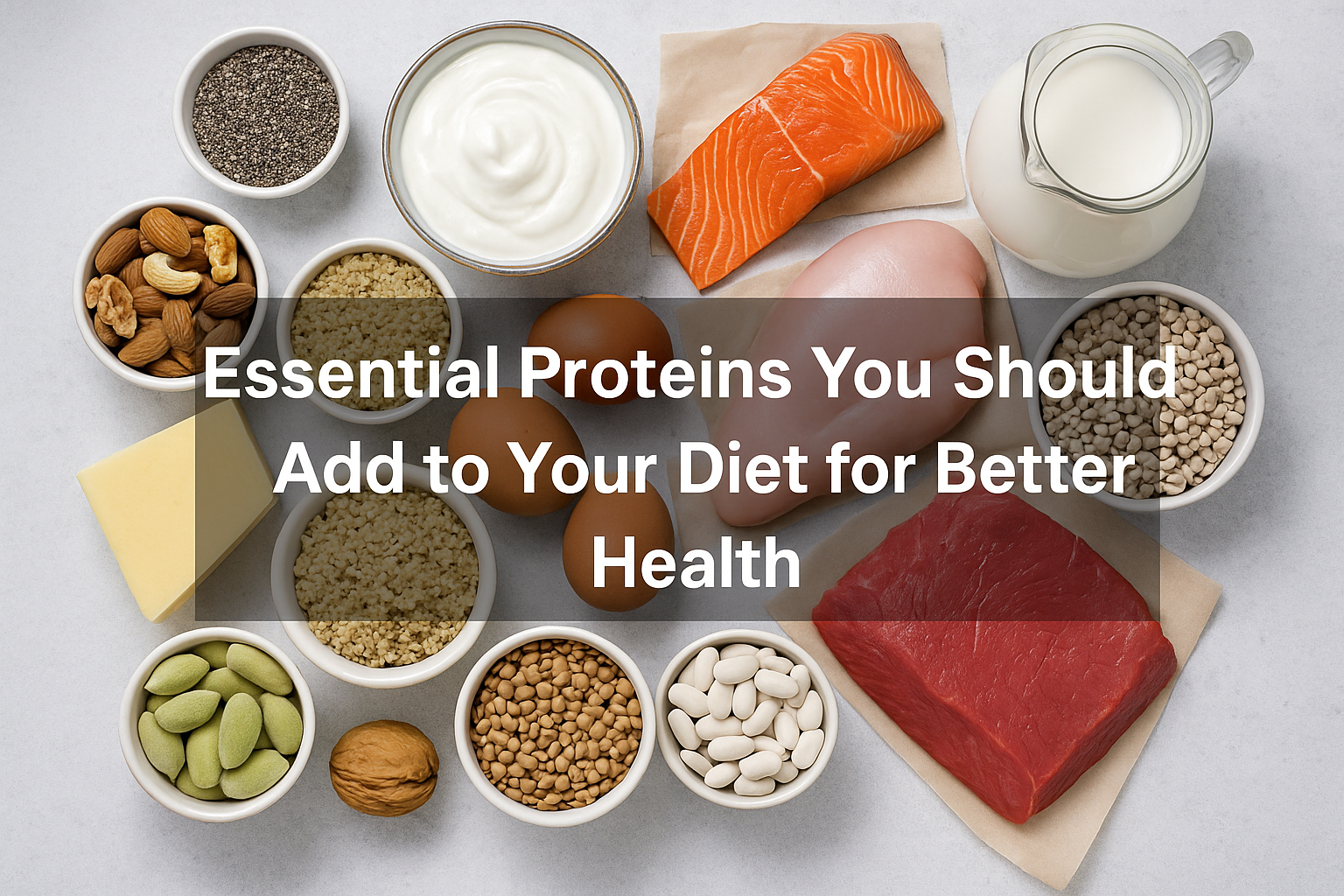
As we age, many of us begin to feel more tired or sluggish even after minimal physical activity. One major reason behind this fatigue is insufficient protein intake. Protein is vital for enhancing overall body health. From repairing damaged tissues to promoting satiety, protein does far more than just support muscle growth.
In this article, you’ll learn about foods rich in protein, how they support your fitness goals, and why including a variety of proteins in your diet is essential. Whether you prefer meat-based or vegetarian options, there’s something beneficial for everyone.
Why Protein is Essential for Your Body: Key Benefits
1. Builds and Maintains Body Structures
Protein serves as the building block of body tissues such as muscles, bones, cartilage, and skin. Your hair and nails are almost entirely made of protein. It becomes even more crucial after physical activities, helping with tissue repair and preventing muscle breakdown.
2. Aids in Tissue Repair and Healing
Whether your physical activity is intense or mild, protein is constantly needed for repairing damaged tissues and replacing old cells. After workouts, it helps repair muscle micro-tears and promotes faster healing from injuries.
3. Transports Oxygen
Protein plays a vital role in oxygen transport. Hemoglobin, a protein in red blood cells, binds to oxygen and distributes it throughout the body. Without adequate protein, organs and muscles can suffer from oxygen deficiency, leading to fatigue and poor health.
4. Supports Digestion and Cell Health
About half the protein you consume is used to make enzymes that aid digestion and metabolism. It also supports hormone production and cellular repair, all of which are essential for maintaining metabolic efficiency.
5. Regulates Hormones and Promotes Growth
Protein is crucial for hormonal balance, especially during periods like puberty or menstruation. It supports metabolism, immunity, and overall body regulation.
Essential Proteins You Should Add to Your Diet
1. Lean Meats: Poultry, Beef, and Pork
These meats are high in protein and other nutrients like iron and zinc. Opt for lean cuts to avoid unhealthy fats and promote heart health.
2. Fish: Salmon, Tuna, and Mackerel
Fish provide high-quality protein along with omega-3 fatty acids, which reduce inflammation and improve brain and heart health. Choose low-mercury options like wild-caught salmon and trout.
3. Dairy: Milk, Cheese, and Yogurt
Dairy products are excellent sources of protein and calcium. Greek yogurt, in particular, offers a higher protein content and beneficial probiotics. Opt for low-fat or skim varieties to manage fat intake.
4. Legumes: Beans, Peas, and Lentils
Plant-based proteins like kidney beans, black beans, chickpeas, and lentils are high in protein and fiber. They support digestion, heart health, and energy levels.
5. Nuts and Seeds: Almonds, Walnuts, Chia Seeds
These offer protein, healthy fats, and antioxidants. They help reduce hunger and provide sustained energy. Limit portion sizes to manage fat intake.
6. Eggs: A Complete Protein Source
Eggs contain all nine essential amino acids and offer vitamins, minerals, and healthy fats. They’re versatile and easy to prepare.
7. Quinoa: A Complete Plant Protein
Quinoa is one of the few plant foods that offer all essential amino acids. It also provides fiber and key minerals, making it a great alternative to rice.
8. Soy Products: Tofu and Tempeh
Ideal for vegetarians and vegans, tofu and tempeh are rich in protein and versatile in cooking. Tofu, for instance, delivers about 7 grams of protein per quarter cup.
How Much Protein Should You Eat Daily?
Protein needs vary depending on goals, activity level, and body weight:
1. For Muscle Building
Consume 69–102 grams of protein per day. Experienced lifters may need slightly less over time.
2. For Weight Loss
Aim for 68–82 grams daily, or around 0.7–1 gram per pound of body weight. This helps preserve muscle while shedding fat.
3. For General Health
The RDA for protein is 0.8 grams per kilogram of body weight. Active individuals or older adults may require more to prevent muscle loss.
Conclusion
Protein is indispensable for a healthy body and mind. Whether your goals include muscle gain, weight loss, or just maintaining your energy levels, incorporating a variety of protein sources—both animal and plant-based—can make a significant difference. Balance is key: choose high-quality proteins, monitor your intake, and enjoy the long-term health benefits.
This guide is for educational and informational purposes only and is not a substitute for professional medical or health advice, examination, diagnosis, or treatment. Always seek the advice of a qualified healthcare professional, such as your physician or a physical therapist, before starting any new fitness program or making changes to your current routine. If you experience any sharp or persistent pain, stop exercising immediately and consult a medical professional. The author and publisher are not responsible for any injuries or health issues that may result from following the advice provided in this guide.